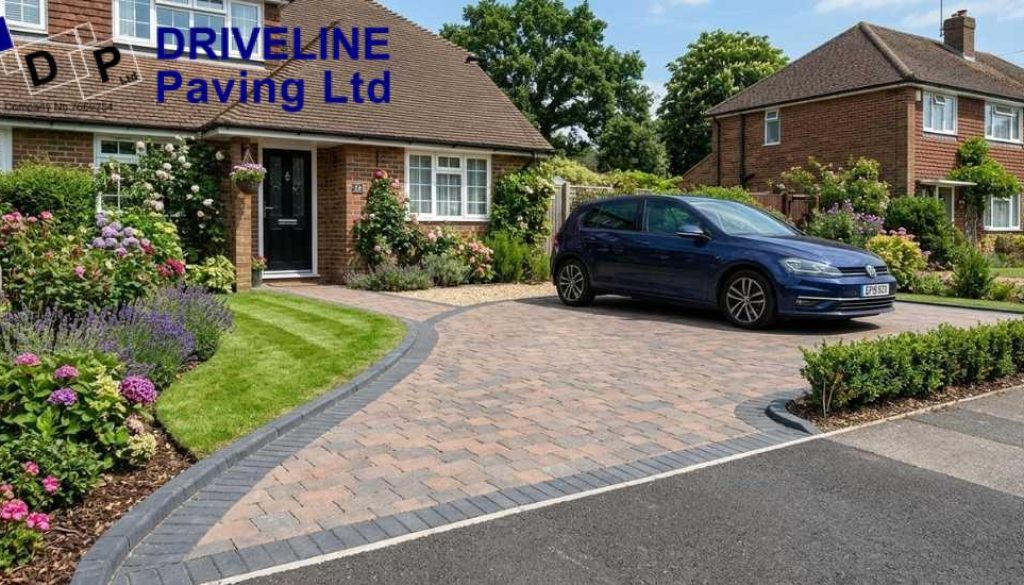
Why Driveway Edging Matters During Busy Summer Use In Epping
Summer brings heavier driveway use. Guest cars arrive, bins cross the same corners, and garden projects bring tools onto the surface.
These movements can expose weak borders. Well-built driveway edging holds the surface in place, protects vulnerable sides and gives the entrance a clean finish. Homeowners comparing driveway contractors in Epping should ask how the edges will be supported.
Why Driveway Edges Face More Pressure In Summer
The driveway centre has support on every side. Outer edges have less protection, making them more likely to move when tyres clip the border or heavy items sit nearby.
Summer gatherings add vehicles and foot traffic. Garden work may bring ladders, skips or machinery close to the boundary. Repeated pressure can loosen blocks, crack tarmac or push gravel into lawns and pavements.
A narrow gap or slightly loose block can gradually allow water, dirt and weeds into the edge. Once supporting material starts to wash away, movement can spread further into the driveway.
What Driveway Edging Actually Does
Driveway edging creates a firm boundary around block paving, tarmac, gravel or resin. Its main purpose is structural. It helps stop the surface and supporting layers from spreading sideways under vehicle use.
A correctly installed border can:
- Hold paving blocks securely in position
- Protect exposed tarmac from crumbling
- Keep gravel within the driveway area
- Separate the driveway from lawns and planting beds
- Support neat transitions beside paths and entrances
- Add definition through colour, texture or pattern
Edging works like the binding on a book. The main surface gets most of the attention, but the outer strip helps keep every part aligned and contained.
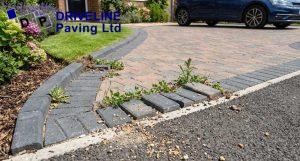
Signs That Your Driveway Edging Is Weak
Summer is a useful time to inspect the perimeter because frequent use can make faults easier to spot. Pay close attention to turning areas, parking spaces, drainage channels and corners crossed by bins or garden equipment.
Common warning signs include:
- Loose or rocking border blocks
- Gaps between the edge and main surface
- Crumbling tarmac beside lawns or flower beds
- Gravel spreading onto paths or pavements
- Sinking areas beside drainage channels
- Weeds growing through widened joints
- Chipped corners caused by tyres or bins
- Soil washing away from the supporting edge
Early repairs can reset loose blocks before movement reaches a wider area.
How Edging Protects Different Driveway Surfaces
The right border depends on the driveway material, layout and level of vehicle use. Every surface needs a secure edge, although the exact job changes with each material.
Block Paving
Block paving relies on tightly laid units and firm edge restraints. If the outside blocks move, joints can widen and nearby paving may begin to spread, dip or rotate.
A properly bedded border keeps the pattern together and maintains clean lines. Contrasting blocks can frame the driveway, while matching blocks create a uniform finish.
Tarmac
Tarmac is vulnerable where an exposed side lacks support. Tyres, garden tools and foot traffic can break away small pieces, leaving the edge rough and uneven.
Kerbs or block borders provide a solid stop. They also create a clear transition between the tarmac and nearby paving, lawn or planting.
Gravel
Gravel shifts under tyres and feet. Edging keeps loose aggregate within the driveway and reduces the amount scattered across paths, pavements and grass.
The border should contain the gravel without becoming a trip point. Occasional raking can then restore an even surface.
Resin
Resin driveways benefit from secure boundaries that contain the surface and create a tidy outline. Borders can also separate parking areas from paths and landscaped sections.
Movement beneath or beside the edge should be corrected early. A weak boundary may eventually affect the appearance or stability of the resin surface.
Choosing an Edging Style For Your Property
Driveway edging should suit the property as well as the surface. A heavy border can overpower a narrow entrance, while a subtle border may offer little visual definition.
Common options include block paving, concrete kerbs, stone setts and flush borders. The colour can match the main driveway for a simple finish or contrast with it to make the outline clearer.
Consider how the space is used. Wide entrances, turning points and multi-car driveways may need stronger protection. Homes receiving regular deliveries should prioritise durable materials over delicate decorative details.
The border should connect neatly with paths, walls, gates and drainage channels. These junctions need careful planning during installation or repair.
Protecting Edges During Garden Work And Deliveries
Garden projects can be hard on driveway borders. Heavy planters, compost bags, ladders and machinery may be dragged or dropped near the edge.
Use a trolley where possible and avoid placing narrow metal legs on loose sections. Ask delivery drivers to keep skips, pallets and bulk materials away from fragile borders unless protective boards or support have been arranged.
Wheelie bins should follow a stable route rather than crossing the same weak corner each week. Small changes in routine can prevent repeated knocks and reduce repair work.
How Drainage Affects Driveway Edging
Edging and drainage need to work together. A border should support the surface without trapping water against the driveway, garden wall or house.
Poor levels can create puddles beside kerbs. Blocked channels may allow water to sit along the edge, where it can wash away bedding material or weaken joints.
Check that water moves freely to the correct outlet. Remove leaves, soil and grass cuttings from channels after mowing, trimming or summer storms.
Arrange Edge Repairs Before the Damage Spreads
Strong edging helps the driveway cope with busy summer use. It keeps materials contained, protects exposed sides and gives the entrance a neat outline.
Driveline Paving can inspect loose borders, damaged corners, drainage issues and sinking sections around Epping. Planning a replacement instead of a local repair? Visit our driveway installer Epping page to review local driveway options.
Arrange an assessment before regular vehicle movements, deliveries and garden work turn a small border problem into a larger repair.


