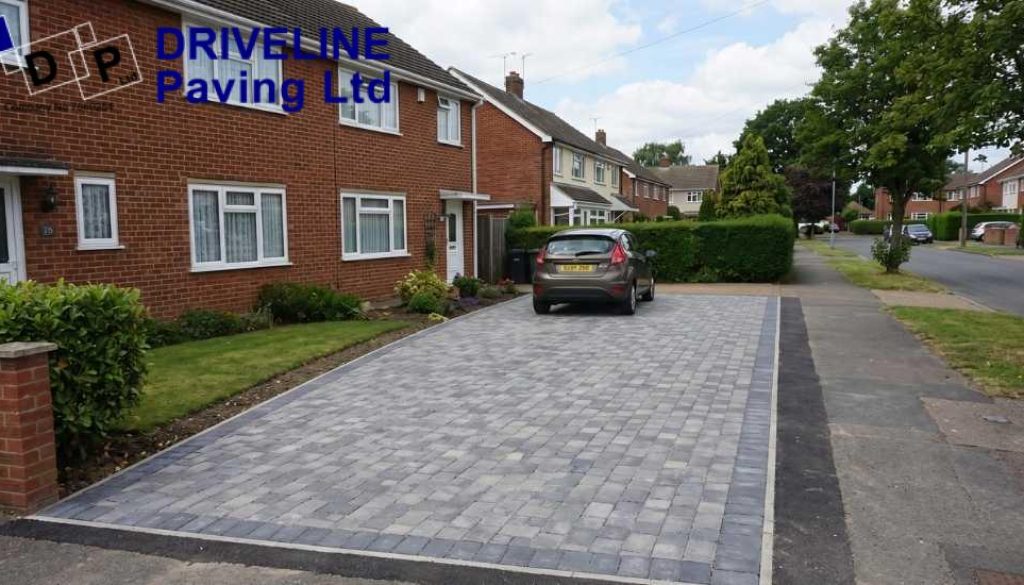
What to Consider Before Installing a New Driveway in Sudbury
Planning a new driveway Sudbury homeowners can rely on isn’t just about choosing a material and getting the work done. A driveway is a structural surface that needs to handle weight, weather, and daily use over time. When it’s done properly, it stays stable and low-maintenance. When it isn’t, problems tend to show up earlier than expected.
Before starting a project, it helps to understand what actually affects long-term performance. From groundwork to drainage and layout, each decision plays a role in how well the driveway holds up.
Why Driveway Installation Is More Than Just Surface Work
At a glance, a driveway might seem like a straightforward installation. But what you see on the surface is only part of the system.
Underneath that top layer is:
- Excavation depth
- Sub-base structure
- Compaction layers
- Drainage planning
These are what determine whether the driveway remains level and stable. Without proper preparation, even high-quality materials can shift, crack, or sink over time. That’s why focusing only on appearance often leads to issues later.
Groundwork: The Part You Don’t See but Matters Most
Most long-term driveway problems start below the surface. If the base isn’t built properly, the surface above it won’t hold up under pressure.
A solid foundation involves:
- Excavating deep enough for the intended load
- Installing a strong sub-base (typically MOT Type 1)
- Compacting in layers to prevent future movement
Skipping or reducing these steps is one of the most common reasons driveways fail early. While it may not be visible once the job is complete, this stage has the biggest impact on durability.
Choosing the Right Material for Your Driveway
Different materials perform differently depending on usage and conditions.
Block Paving
- Flexible and repair-friendly
- Suitable for most driveways
- Allows individual sections to be replaced
Resin Bound
- Smooth, modern finish
- Permeable surface helps with drainage
- Requires a solid base underneath
Tarmac or Concrete
- Durable for heavy use
- More uniform appearance
- Less flexible than block paving
The best choice depends on how the driveway will be used, the look you want, and how much maintenance you’re comfortable with.

Drainage: One of the Most Overlooked Factors
Water is one of the main causes of driveway failure. Without proper drainage, it doesn’t just sit on the surface—it works its way into the structure underneath.
Poor drainage can lead to:
- Water pooling on the surface
- Softening of the base layers
- Long-term movement and instability
Planning for proper runoff, slopes, or permeable materials helps protect the driveway from these issues. It’s not just about meeting regulations—it’s about long-term performance.
Size, Layout, and Practical Use
A driveway needs to work for everyday use, not just fit the available space.
Consider:
- Number of vehicles
- Turning space
- Access to the property
- Future needs (additional cars, visitors, etc.)
A driveway that’s too small can become inconvenient quickly, while one that’s too large may feel out of proportion. The layout should allow for easy movement without creating awkward or unused areas.
Working With Experienced Installers
Even with the right plan, the quality of installation makes a significant difference.
Experienced installers:
- Understand how to prepare different ground conditions
- Know how to manage drainage effectively
- Follow proper installation stages without shortcuts
If you’re moving forward with a project, it’s worth reviewing driveway installation in Sudbury to see how a structured approach ensures the driveway is built to last, not just finished quickly.
Common Mistakes to Avoid
Some driveway issues can be traced back to early decisions that seemed minor at the time.
These include:
- Choosing based on price alone
- Ignoring drainage requirements
- Underestimating groundwork
- Rushing installation timelines
Each of these can affect how the driveway performs over the long term. Avoiding them early helps prevent repairs later.
What a Well-Installed Driveway Should Feel Like
A properly installed driveway doesn’t just look good—it feels solid under use.
You should expect:
- A level, stable surface
- No movement under vehicle weight
- Proper water runoff without pooling
- Consistent finish across the entire area
These are signs that the installation was done correctly from the ground up.
Making the Right Decision for Your Driveway Project
Installing a driveway is a long-term investment, not just a quick upgrade. The decisions made at the planning stage have a direct impact on how well it performs over time.
Focusing on groundwork, drainage, and proper installation helps ensure the result isn’t just visually appealing, but also durable and reliable. Taking the time to plan properly often makes the difference between a driveway that lasts and one that needs attention sooner than expected.
Contact us and talk to Driveline Paving professional driveway installers for Sudbury driveway plans.


