Skip to content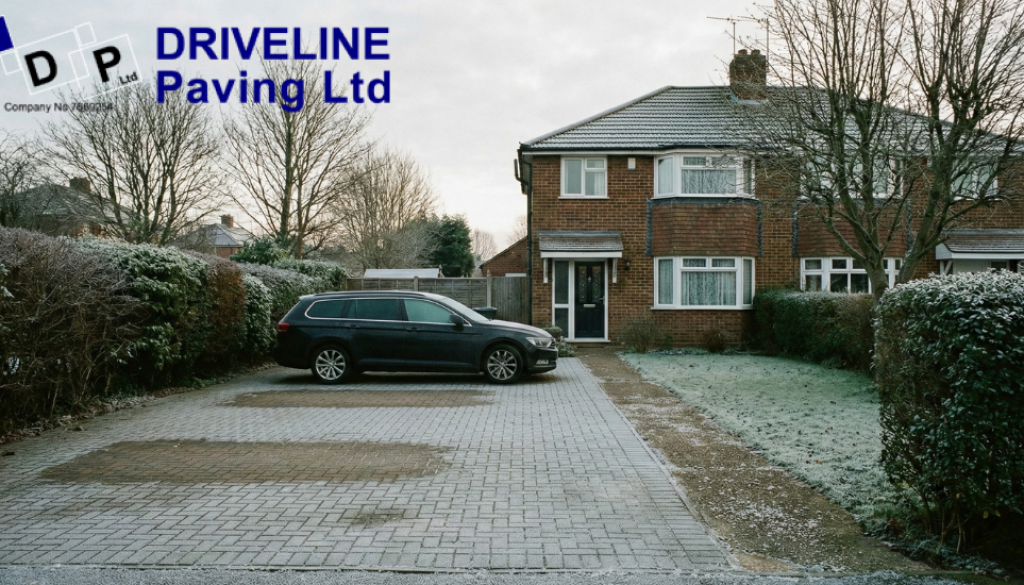
Preparing Your Driveway for Ice and Snow: A Practical UK Guide
Icy mornings and sudden snowfall place immediate strain on driveways. Reduced grip, trapped moisture, and uneven surfaces turn everyday access into a safety concern. For UK homeowners, winter preparation is not about eliminating weather exposure but about reducing risk and limiting damage when ice and snow arrive.
This practical guide explains how to prepare a driveway for winter conditions using realistic, preventative steps. By addressing surface condition, drainage, and maintenance habits before temperatures drop, homeowners can keep driveways safer and reduce avoidable winter wear.
Why Ice and Snow Are a Driveway Problem
Ice and snow affect more than surface grip. When moisture freezes within cracks, joints, or low spots, it expands and weakens the structure beneath. Snow cover can also hide uneven areas, increasing trip hazards and delaying the detection of developing problems.
UK winters often involve repeated thawing and refreezing rather than prolonged deep freezes. This cycle places repeated stress on driveway materials, especially where drainage or surface condition is already compromised.
Inspecting Your Driveway Before Winter Sets In
Preparation starts with inspection. Identifying weaknesses early allows repairs to be made before ice magnifies the damage.
Homeowners should look for:
- Cracks or gaps that collect water
- Uneven or sunken sections
- Loose block paving
- Areas where water pools after rain
These issues are more likely to worsen once freezing temperatures arrive and should be addressed promptly.
Improving Drainage to Reduce Ice Formation
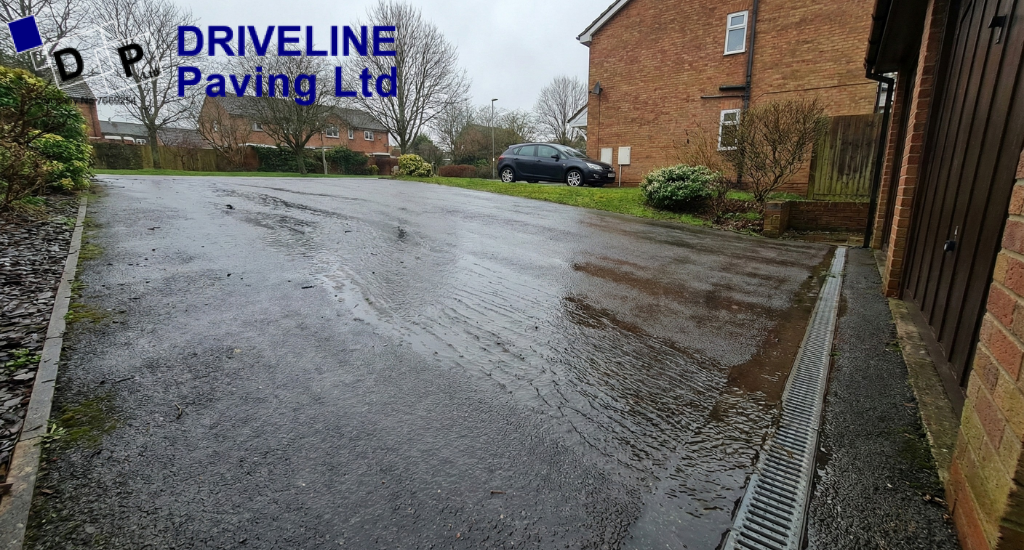
Drainage is one of the most effective defences against ice. When water drains efficiently, there is less moisture available to freeze on or beneath the surface.
Simple improvements can include clearing existing channels, correcting subtle surface slopes, or addressing compacted areas that prevent water dispersal. Reducing surface water significantly lowers the likelihood of ice forming overnight.
Addressing Surface Grip and Traction
Driveway surfaces can lose traction over time due to wear, polishing, or biological growth. In winter, reduced grip increases the likelihood of slips and falls, particularly on sloped driveways or frequently used paths.
Improving grip may involve:
- Removing moss and algae buildup
- Cleaning debris that traps moisture
- Addressing smooth or polished patches
- Repairing uneven sections that hold ice
These steps help improve safety without the need for full resurfacing.
Block Paving and Winter Stability
Block paving requires particular attention before winter. Open joints allow water to settle between blocks, increasing the risk of frost movement.
Re-sanding joints and securing loose blocks helps stabilise the surface. This prevents individual units from lifting when water freezes beneath them and reduces uneven settlement once temperatures rise.
Edge restraints should also be checked, as winter moisture can weaken surrounding ground and allow movement.
Using De-Icing Products Carefully
De-icing products can help manage ice but should be used sparingly. Excessive salt application can affect jointing materials, surface finishes, and surrounding landscaping.
Where possible:
- Use mechanical snow removal first
- Apply minimal de-icing product only where necessary
- Avoid repeated heavy applications
Good drainage and surface preparation reduce reliance on chemical treatments altogether.
Managing Snow Buildup Without Causing Damage
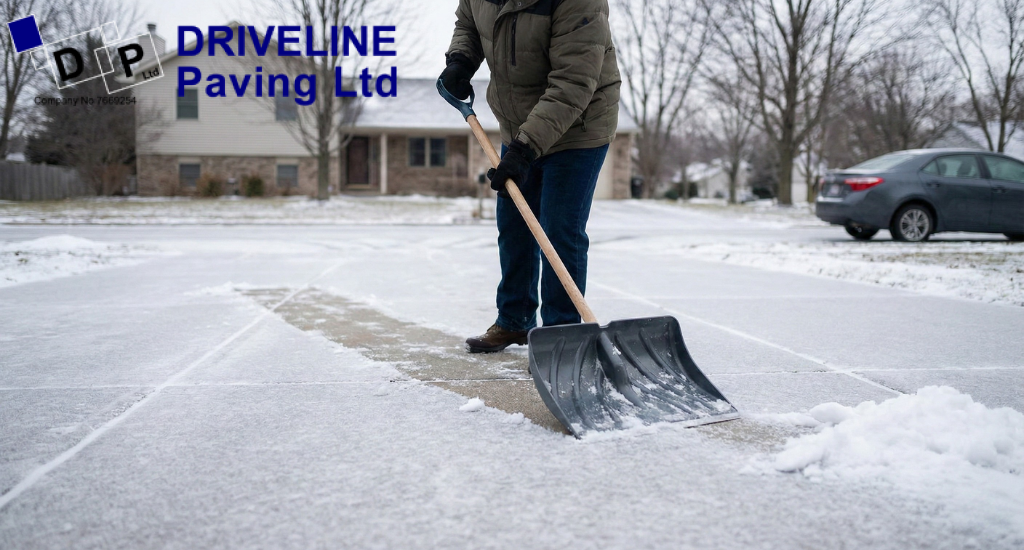
Snow itself does not usually damage driveways, but improper removal can. Metal tools and aggressive scraping can chip surfaces, disturb block paving, or remove jointing sand.
Plastic-edged tools and gentle techniques reduce the risk of surface damage. Clearing snow early also prevents compaction, which turns snow into harder-to-remove ice.
Why Uneven Areas Are a Winter Hazard
Even minor unevenness becomes more hazardous in winter. Ice forms more readily in dips and low spots, increasing slip risks and accelerating surface wear.
Addressing uneven areas before winter helps:
- Reduce ice accumulation
- Improve pedestrian and vehicle safety
- Prevent further frost-related movement
Levelling small sections early is far more effective than managing hazards throughout winter.
The Cost of Ignoring Winter Preparation
Driveways that are not prepared for ice and snow often emerge from winter with worsened damage. Cracks widen, blocks loosen, and drainage problems deepen.
Preventative maintenance before winter:
- Reduces repair costs
- Improves safety throughout colder months
- Extends the lifespan of the driveway
Winter preparation is typically far less disruptive and costly than post-winter repairs.
When Professional Help Is Worth Considering
Some winter risks are difficult to address without professional assessment. Issues such as sub-base instability, drainage design flaws, or widespread surface movement require experience and specialist equipment.
Professional services focus on long-term solutions rather than temporary fixes, ensuring the driveway performs reliably through repeated winter cycles.
Prepare Your Driveway Before Ice and Snow Take Hold
Preparing a driveway for ice and snow is about prevention, not reaction. Improving drainage, addressing surface condition, and stabilising vulnerable areas helps protect both safety and structure throughout winter.
If your driveway needs attention before cold weather worsens, Driveline Paving Ltd provides professional driveway preparation and repair services across North London and Essex.
Contact their team today to ensure your driveway is ready for winter conditions and the months ahead.