Common Patio Planning Mistakes Epping Homeowners Should Avoid
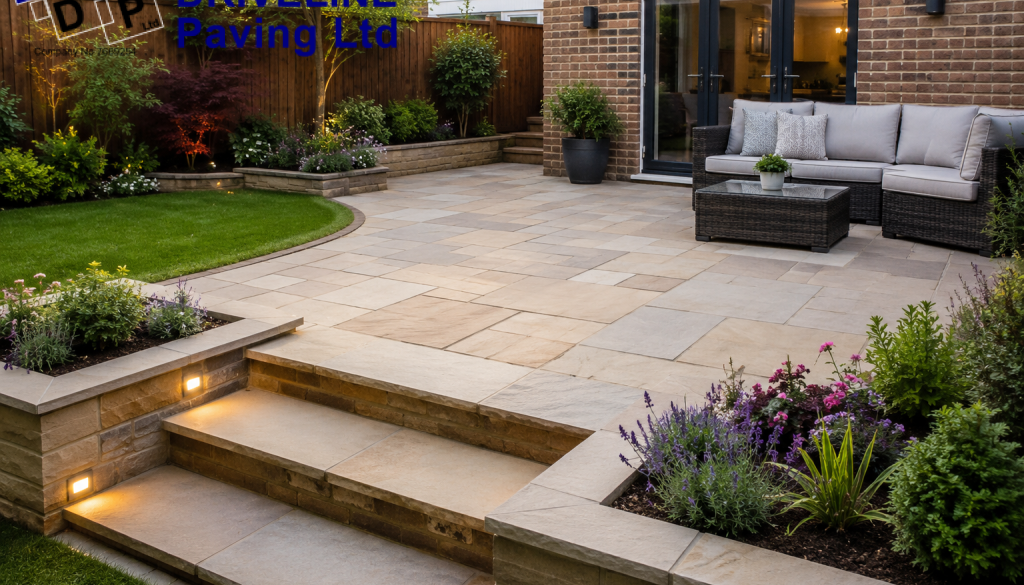
A new patio can make a garden feel more useful, welcoming, and complete. It can create space for outdoor dining, quiet mornings, summer barbecues, family time, or a simple seating area that connects the house to the garden.
The best results usually start before any slabs are laid. Many patio problems come from rushed decisions around size, drainage, materials, levels, and layout. A patio may look good on the first day, but poor planning can lead to puddles, awkward furniture placement, loose edges, uneven paving, or a space that feels disconnected from the rest of the garden.
For Epping homeowners, the aim should be simple: create a patio that suits the house, works with the garden, and feels easy to use throughout the year. Here are the common patio planning mistakes to avoid before installation begins.
Choosing a Patio Size Before Thinking About Use
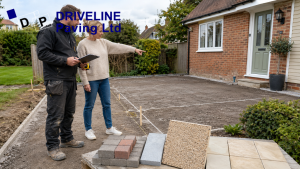
One of the easiest mistakes is choosing a patio size based only on the empty garden space. A patio should match how you plan to use it.
A small patio can work well for a bistro table, a couple of chairs, or a quiet seating corner. A larger family patio may need space for dining furniture, a barbecue, planters, storage, and clear walking routes. If the layout feels tight from the start, the patio may become awkward once furniture is added.
Before deciding the size, think about:
- How many people will use the patio most often
- Whether you want dining, lounging, or both
- Where the sun falls during the day
- How people will move from the house to the garden
- Whether you need space for a barbecue or outdoor storage
Forgetting to Plan Patio Drainage
Drainage should be planned early. If water has nowhere to go, it can sit on the surface, collect near the house, or gather in low corners of the garden.
A patio needs a slight fall so rainwater moves in the right direction. In many gardens, this means guiding water away from the property and towards a suitable drainage point. In some cases, drainage channels may be needed near doors, walls, thresholds, or areas where water naturally collects.
Poor patio drainage can lead to:
- Puddles after rain
- Slippery areas
- Staining on paving
- Movement in the base over time
- Damp concerns near the property
- Frost-related surface problems in colder months
The visible paving is only one part of the job. The base underneath matters just as much. If the ground preparation is weak, uneven, or poorly compacted, the patio can dip over time. Once low spots appear, water naturally settles there.
Picking Patio Materials Based Only On Appearance
It is natural to choose a patio material because you like the look. However, the best material should also suit the property, garden use, budget, and maintenance level you are comfortable with.
Porcelain Paving
Porcelain paving is often chosen for a clean and modern finish. It can suit newer properties, simple garden layouts, and homeowners who want a sharp, tidy look. It usually works well for dining areas and contemporary outdoor spaces.
Sandstone Paving
Sandstone gives a softer, more natural finish. It can suit gardens with planting, lawns, curved edges, and a more relaxed style. Colour variation is part of its appeal, so it can work well where a homeowner wants character rather than a uniform surface.
Block Paving
Block paving can be useful when the patio needs shape, borders, patterns, or a traditional feel. It can also help connect the patio with paths, steps, or driveway details. For some Epping homes, block paving can create a classic finish that feels in keeping with the property.
A material should look good, but it should also match how the space will be used. A busy family patio, a quiet seating corner, and a decorative garden feature may each need a different approach.
Ignoring the Style of the House
A patio should feel connected to the property. If the paving colour, pattern, or finish clashes with the house, the garden can feel unfinished.
Traditional homes often suit warmer tones, natural stone textures, or block paving details. Modern properties may suit porcelain paving, clean lines, and simple borders. A period-style home may need a more subtle finish that complements existing brickwork, garden walls, or paths.
Look at the details already around the property:
- Brick colour
- Window and door frames
- Garden walls
- Fencing
- Existing paths
- Driveway materials
- Steps and thresholds
The patio does not need to match everything exactly. It should simply feel like it belongs. A well-planned patio can connect the house and garden in a way that feels natural.
Overlooking Steps, Edging, and Levels
Steps, edges, and levels can make a patio safer and more finished. These details are easy to overlook when the focus is only on the paving area.
If the garden slopes, the patio may need steps, raised sections, retaining edges, or carefully planned transitions. If the patio connects to a lawn, the edge should be strong enough to keep the shape in place. If it sits near a back door, the level needs careful thought so the transition feels safe and practical.
Poor level planning can create issues such as:
- Awkward steps from the house
- Loose patio edges
- Water running towards doors
- Uneven transitions to the lawn
- Furniture sitting at an uncomfortable angle
- Garden areas feeling disconnected
Planning the Patio Separately from the Garden
A patio works best when it is planned as part of the whole garden. If it is treated as a separate paved area, it may look tidy but feel awkward to use.
Think about how the patio connects to the rest of the outdoor space. A patio near the back door may be ideal for dining. A seating area further into the garden may catch better evening sun. A path may be needed to connect the patio to a shed, side gate, or driveway.
It can help to plan the garden in zones:
- A dining or seating zone
- A lawn or open area
- Planting or flower beds
- Pathways and access routes
- Storage, bins, or side access
- Steps, sleepers, or raised borders
Choosing the Cheapest Quote Without Checking the Details
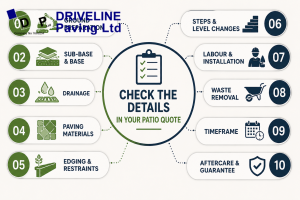
A patio quote should be judged by what it includes, not just the final price. A low quote may seem attractive at first, but the details matter.
When comparing patio quotes, check whether they include:
- Ground preparation
- Removal of old surfaces
- Waste disposal
- Sub-base installation
- Drainage planning
- Edging and restraints
- Steps or level changes
- Material type and thickness
- Labour and finishing details
- Aftercare advice
Forgetting About Maintenance
Every patio needs some care. The amount depends on the material, garden setting, drainage, and how often the space is used.
A shaded patio may need more regular cleaning because algae and debris can build up faster. A patio under trees may collect leaves, seeds, and organic matter. A busy family patio may need more frequent sweeping and washing, especially around dining areas.
Simple maintenance can include:
- Sweeping leaves and debris
- Cleaning spills quickly
- Washing the surface when needed
- Keeping joints and edges tidy
- Checking drainage points
- Removing weeds around borders
How to Plan a Patio That Lasts
A lasting patio starts with practical planning. Before choosing the final paving, think about how the space will be used, how water will move, how the patio will connect to the garden, and which material suits the home.
The strongest patio plans usually answer these questions:
- What will the patio be used for?
- How much furniture needs to fit?
- Where should water drain?
- Which paving material suits the property?
- Are steps, edging, or raised areas needed?
- How will the patio connect to the rest of the garden?
- What maintenance level feels realistic?
For homeowners planning a new outdoor space, Driveline Paving Ltd provides professional patio installation in Epping, including design advice, material guidance, drainage planning, and expert installation.
A patio should look good, but it should also feel right to use. With the right planning, your garden can become a more practical, comfortable, and attractive part of your home.
Ready to plan a patio that suits your Epping home and garden? Contact Driveline Paving Ltd today for friendly advice and a free quote.


