The Real Cost of Cheap Driveways: Why Cutting Corners Backfires
Homeowners often search for the lowest driveway installation cost in the UK, especially when resurfacing seems straightforward. Yet a driveway is more than a cosmetic update. It supports vehicles, manages drainage, and protects the foundations of surrounding areas.
When the price looks too good to be true, the risks usually appear later through sinking patches, cracks, flooding, and expensive repair cycles.
A driveway built cheaply almost always costs more over time. This is because shortcuts rarely affect the surface alone. They weaken the structure from the ground up, turning what should be a 20-year investment into a short-term fix that keeps failing.
Why Cheap Driveway Quotes Are Misleading
Low-cost installation quotes often hide the parts of the job that truly determine durability. A driveway’s strength comes from the groundwork below the surface, not the decorative finish you see on top.
A cheap quote usually means something essential is missing:
- A shallow or weak sub-base
- Untreated ground that cannot support weight
- Inadequate drainage planning
- Low-grade materials
- Rushed installation with limited compaction
- No aftercare support
Installers may offer a shiny new surface for a low price, but without proper preparation, that surface starts failing long before it should.
Think of it like building a house on sand. The outside may look fine, but the foundations cannot cope.
The Sub-Base: The Part Cheap Installations Often Skip
Most driveway problems trace back to the sub-base. This is the layer that carries all the weight, absorbs movement, and supports drainage.
A proper sub-base should:
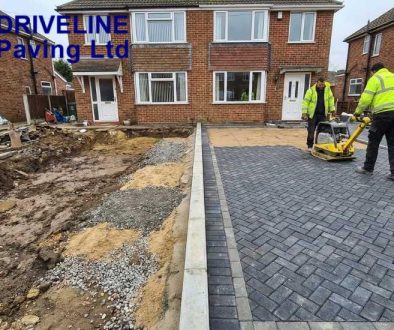
- Use at least 150–200 mm of MOT Type 1 aggregate
- Be compacted in layers
- Sit on stable, prepared soil
- Support the chosen driveway material
Cheap installers cut this depth dramatically or skip proper compaction. This leads to sinking, rutting, or surface fractures within years. Homeowners often notice tyre depressions or uneven sections forming soon after installation.
Once the sub-base fails, the entire driveway needs replacing. Repairs on the surface only delay the inevitable.
Material Quality: Why Bargain Surfaces Break Down Faster
The driveway installation cost in the UK varies because materials vary in quality. Low-priced installations often use cheap aggregates, diluted resin, thin tarmac layers, or blocks that do not meet industry standards.
Risks of low-grade materials:
- Resin that discolours or softens in heat
- Block paving that cracks under pressure
- Tarmac that crumbles within months
- Concrete that breaks due to thin application
A driveway is exposed to rain, frost, UV, and constant load. Poor materials simply cannot cope with UK weather.
Why Cheap Driveways Often Fail in Winter
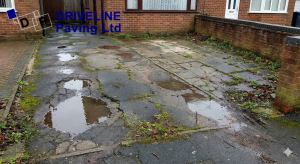
Winter is when shortcuts show most clearly. Poor drainage, soft sub-bases, and thin surfaces struggle against the freeze-thaw cycle.
Winter problems caused by cheap installations:
- Water pooling because drainage was not planned
- Frost heave causing blocks to lift
- Ice forming in dips or cracks
- Surface delamination in resin due to poor mixing
- Edges collapsing because they were never reinforced
Cheap surfaces are often compared to cardboard umbrellas; they might hold up briefly, but they are no match for heavy rain and cold.
Hidden Costs That Make Cheap Driveways More Expensive
A driveway that fails early becomes a repeating expense. Homeowners often end up spending far more than the original savings they hoped for.
Common follow-up costs:
- Repairs for cracks, lifted areas, or sinking
- Weed-control treatments due to gaps and joint erosion
- Replacement of collapsed edges
- Corrective drainage work
- Full resurfacing far sooner than expected
Many homeowners end up replacing a cheap driveway within five years. A properly built surface, on the other hand, can last two decades or more.
Drainage Failures: The Most Expensive Problem of All
Cheap install teams rarely include drainage planning in the quote. Without correct gradients or soakaways, water settles where it should not.
Symptoms include:
- Puddles forming after every rainfall
- Damp creeping towards garage doors
- Water seeping under the driveway
- Movement in the sub-base due to saturation
Poor drainage can even damage nearby structures, including paths, garden areas, or the property’s foundation line.
Shortcuts That Lead to Safety Risks
A driveway is part of your home’s daily use, so safety matters. Cheap installations increase risks such as slips, trips, and unstable parking areas.
Examples include:
- Uneven surfaces catching shoes or wheels
- Ice patches where drainage fails
- Wobbly blocks due to missing joint sand
- Loose edges that collapse under pressure
A well-built driveway should feel solid underfoot and safe all year round.
How to Spot a Quote That Will Lead to Problems
Homeowners can protect themselves by recognising warning signs early.
Red flags:
- No mention of excavation depth
- No description of sub-base layers
- No drainage plan included
- Quote only describes the surface layer
- Very fast installation timeframes
- No references or portfolio
- Cash-only offers
- No written guarantee
A trustworthy installer explains every stage clearly. If details seem vague, the cut corners will appear later.
Two Surfaces That Show the Difference Between Cheap and Correct Installation
Resin-bound driveways
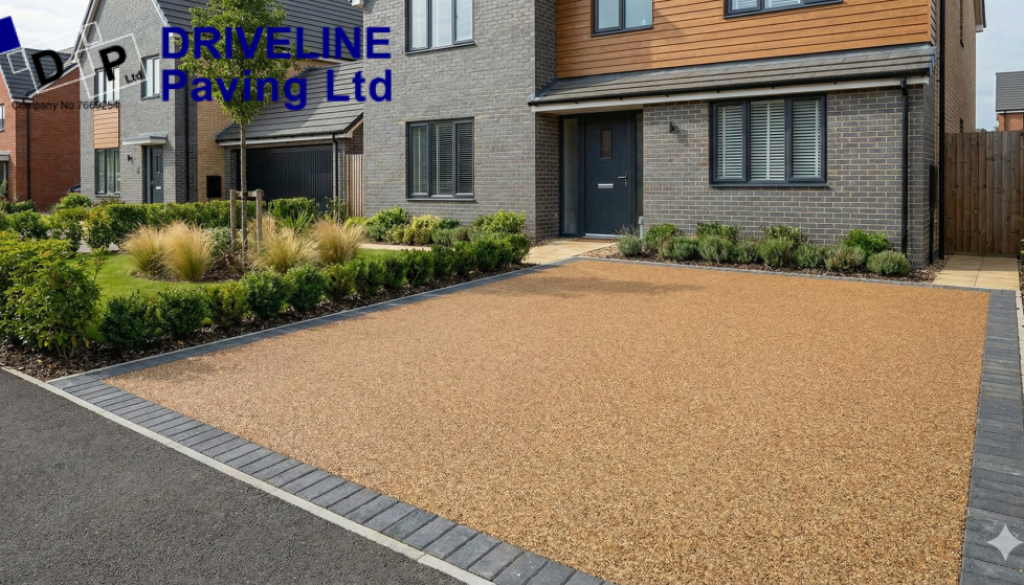
High-quality resin uses strong aggregates, UV-stable resin, proper mixing ratios, and a full excavation with a permeable sub-base. Cheap resin installations use thin layers, low-grade aggregates, and poor mixing that leads to patchy colouring and weak bonding.
Block paving
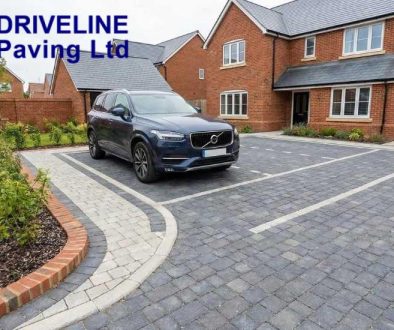
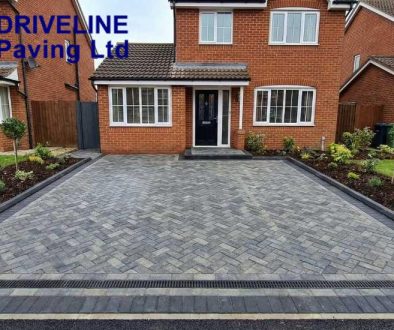
Good block paving uses deep excavation, full compaction, edge restraints, and high-quality blocks. Cheap jobs skip compaction, use thin bedding layers, and cut corners on sand and edging. This is why sinking and loose blocks appear quickly.
If you live near Chelmsford and want a driveway built with proper foundations, drainage, and long-term performance, visit our Chelmsford driveway services page. It outlines reliable installation methods that prevent sinking, cracking, and costly repairs.
A Sensible Approach to Driveway Investment
A driveway is one of the most used areas of your property, so it deserves proper construction. Cheap installations save money up front but create a chain of problems that cost far more to fix. A correctly built driveway, on the other hand, avoids repeated repairs, handles seasonal weather better, and supports your home’s value.
Choosing a trusted installer ensures the sub-base, drainage, and materials all work together for long-term strength. It is a practical investment that reduces stress, protects your property, and looks better year after year.
If you want a driveway that lasts without hidden repair costs, contact us today for a clear, honest quote and expert guidance
Frequently Asked Questions
Why are some driveway quotes much cheaper than others?
Lower quotes usually skip key steps such as excavation, compaction, drainage, or material quality. These shortcuts weaken the driveway from the start.
How much should a driveway installation cost in the UK?
Costs vary by material and size, but reliable installations reflect proper groundwork, durable materials, and a skilled team.
What is the biggest hidden cost of a cheap driveway?
Drainage faults. Fixing flooded or sinking sections often requires rebuilding the sub-base.
How long should a well-built driveway last?
With correct installation, resin and block paving can last 20 to 25 years or more.
Can a cheap driveway be repaired instead of replaced?
Minor issues can be patched, but structural problems usually require full replacement.
Which surfaces suffer most from cheap installation?