Skip to content
Resin Driveways in Winter: Performance, Care Tips, and Common Myths
Resin driveways are often marketed as a low-maintenance, all-season solution, but winter is where their real performance is tested. Cold temperatures, frequent rainfall, and reduced daylight expose how well a surface handles moisture, grip, and long-term durability.
For UK homeowners, understanding how resin driveways behave in winter helps separate genuine benefits from common misconceptions. This guide explains how resin performs in cold weather, what maintenance actually matters, and which myths deserve to be dismissed.
How Resin Driveways Perform in Cold Weather
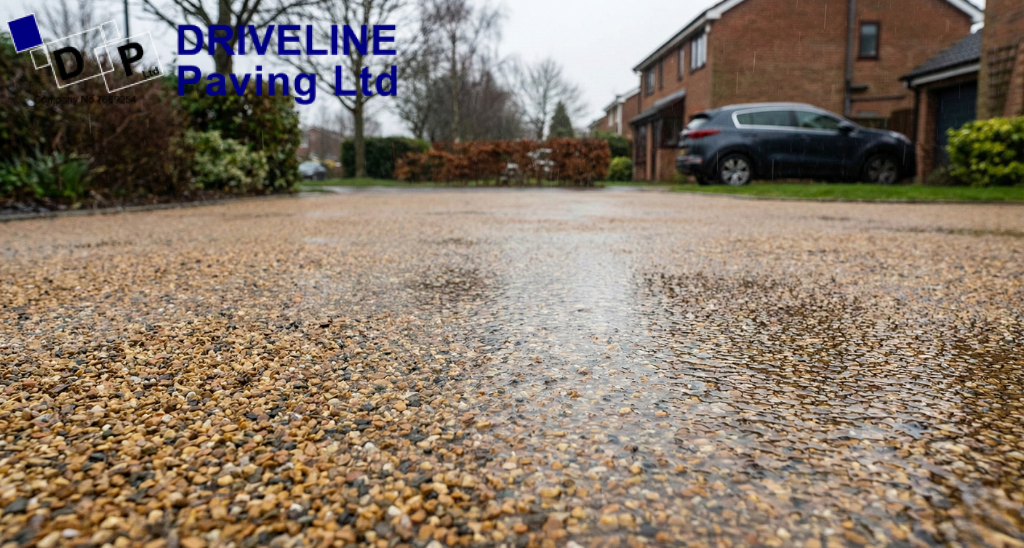
Resin-bound driveways are designed as a permeable surface. This means water drains through the structure rather than pooling on top, which is a major advantage during wet winter months.
In cold conditions, effective drainage reduces the amount of surface water available to freeze. This limits ice formation and lowers the risk of freeze–thaw damage beneath the surface. Unlike traditional solid surfaces, resin does not trap moisture in the same way when installed correctly.
Temperature alone does not damage resin. Problems typically arise only when drainage is compromised or the base beneath the surface was not prepared properly.
Permeability and Why It Matters in Winter
Permeability is one of the strongest winter advantages of resin driveways. Rainwater filters through the surface and disperses into the sub-base below, preventing standing water.
This is particularly important during UK winters, where repeated rainfall and mild freezes are common. By reducing surface water, resin helps:
- Limit ice formation
- Reduce surface expansion from freezing
- Prevent water ingress into surrounding foundations
- Improve overall surface safety
However, permeability depends on correct installation. Blocked pores caused by debris or incorrect resin ratios can reduce drainage performance over time.
Does Resin Crack or Lift in Frost?
One of the most common myths is that resin cracks easily in winter. In reality, resin-bound surfaces are flexible and designed to accommodate minor ground movement.
Cracking is usually linked to issues beneath the surface rather than the resin itself. Poor sub-base preparation, insufficient depth, or trapped moisture below the surface can all lead to movement during freeze–thaw cycles.
When installed on a stable, well-draining base, resin performs reliably in cold conditions without lifting or splitting.
Winter Grip and Slip Resistance
Another misconception is that resin becomes slippery in winter. In practice, resin-bound driveways offer good grip due to the textured aggregate finish.
Slip resistance depends on:
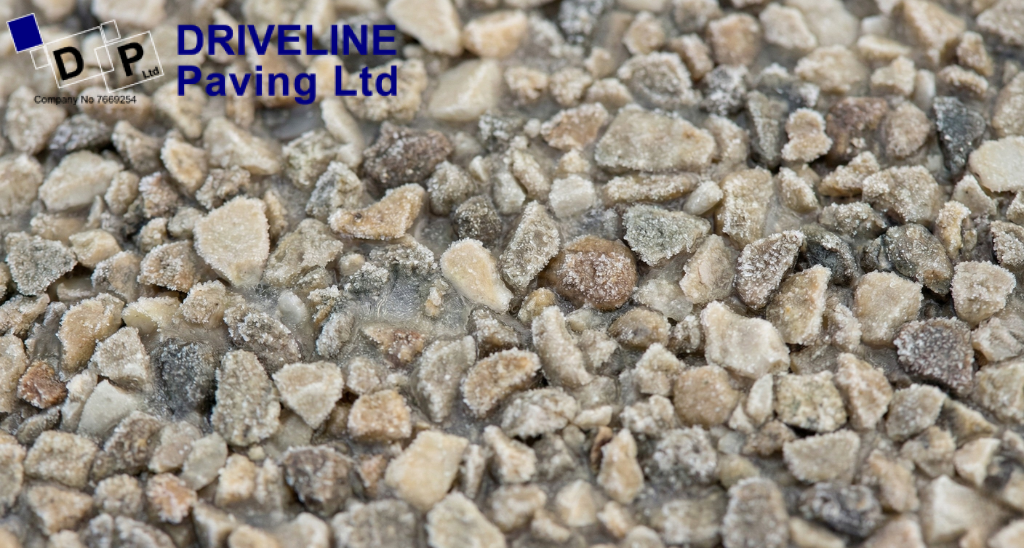
- Aggregate size and type
- Cleanliness of the surface
- Drainage performance
Moss, algae, or debris buildup can reduce traction over time, particularly in shaded areas. Regular cleaning helps maintain grip through winter without harsh treatments.
Common Winter Myths About Resin Driveways
Several persistent myths cause homeowners to underestimate resin’s winter performance.
Myth 1: Resin is not suitable for cold climates
Modern resin systems are used widely across the UK and are designed to cope with seasonal temperature changes.
Myth 2: Resin traps water and freezes easily
When installed correctly, resin drains water away efficiently rather than trapping it.
Myth 3: Salt damages resin surfaces
Excessive use of de-icing salts can affect many driveway materials. Occasional, light use is unlikely to cause issues, but mechanical snow removal and good drainage are preferable.
Understanding these points helps homeowners make informed decisions rather than relying on outdated assumptions.
Practical Winter Care Tips for Resin Driveways
Resin driveways are low maintenance, but winter care still matters. Simple steps help preserve appearance and performance through colder months.
Recommended winter care includes:
- Sweeping away leaves and debris to keep pores clear
- Occasional gentle washing to remove surface buildup
- Avoiding excessive use of harsh de-icing chemicals
- Ensuring nearby drainage channels remain clear
These actions support permeability and prevent unnecessary surface wear.
When Resin Problems Appear in Winter
If issues appear during winter, they are usually linked to installation quality rather than seasonal conditions.
Warning signs include:
- Water pooling on the surface
- Discolouration caused by trapped moisture
- Localised movement near edges or thresholds
These symptoms suggest underlying drainage or base issues that should be assessed before they worsen.
Why Professional Installation Matters for Winter Performance
Resin’s winter reliability depends heavily on correct preparation. The sub-base must be stable, free-draining, and suited to the property’s ground conditions.
Professional installation ensures:
- Correct base depth and compaction
- Proper resin-to-aggregate ratios
- Even surface levels and clean edges
- Long-term drainage performance
Cutting corners during installation often leads to winter-related issues that resin itself is wrongly blamed for.
Is Resin a Good Choice for UK Winters?
For homeowners prioritising drainage, reduced ice formation, and minimal maintenance, resin performs well in UK winter conditions. Its success depends on correct design and installation rather than seasonal limitations.
When properly installed, resin offers consistent performance through rain, frost, and fluctuating temperatures.
Make Sure Your Resin Driveway Is Winter-Ready
Resin driveways are not a fair-weather solution. When installed and maintained correctly, they handle winter conditions effectively and safely.
If you are considering a resin driveway or want to assess the winter performance of an existing surface, Driveline Paving Ltd provides expert advice and professional installation across North London and Essex.
Contact their team to ensure your driveway performs as it should throughout the winter months.