Skip to content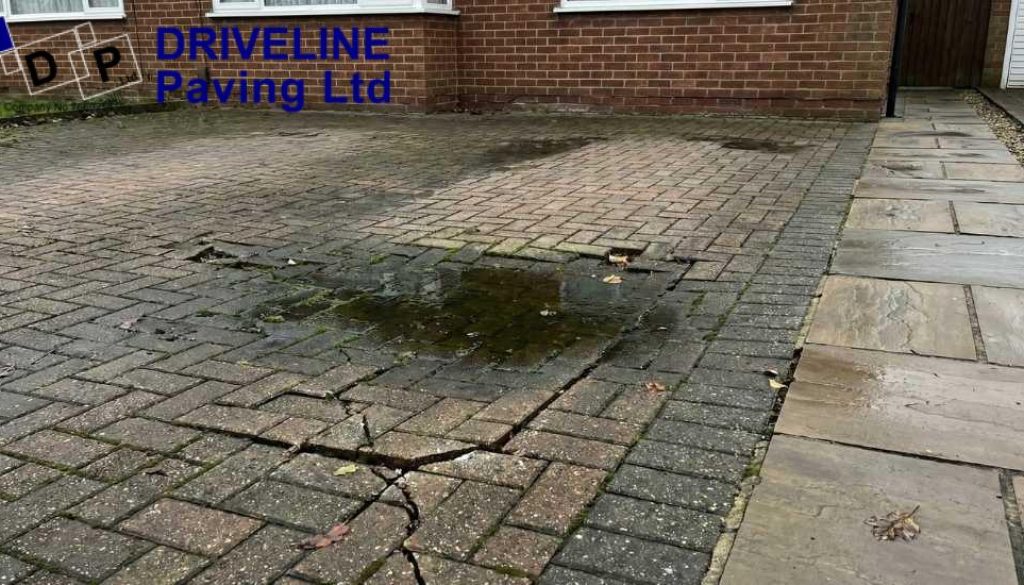
Signs Your Old Driveway Is No Longer Worth Repairing
Most driveways do not fail overnight. They decline gradually. A small dip becomes a deeper rut. A hairline crack becomes repeated patchwork. What begins as maintenance slowly turns into ongoing repair.
The key question is simple: should you replace or repair driveway damage?
February is an ideal time to decide. There is no pressure to rush. You can assess conditions properly before spring installation demand increases.
Repeated Repairs in the Same Area
One repair is maintenance. Two repairs suggest weakness. Three repairs signal structural failure.
If the same section of your driveway continues to sink, crack, or separate, the issue is rarely cosmetic.
Common causes include:
- Compromised sub-base
- Poor original excavation
- Drainage erosion beneath the surface
- Edge restraint movement
Surface-level patching will not correct structural instability.
When repairs become cyclical, replacement is often more cost-effective.
Widespread Settlement or Uneven Levels
Isolated movement can be repaired. Widespread settlement is different.
Signs include:
- Noticeable dips across multiple sections
- Pooling water in new locations
- Vehicle wheel tracks sinking
- Uneven transitions near entrances
If levels have shifted across the full driveway rather than one corner, the base layer may have deteriorated.
In these cases, lifting and relaying small sections rarely restores long-term stability.
Drainage Problems That Keep Returning
Standing water after rainfall is more than an inconvenience. It indicates incorrect falls or compromised support layers.
If you notice:
- Persistent puddling
- Water flowing towards the property
- Washed-out joints in block paving
- Erosion near edges
Then structural correction may be required.
Drainage adjustments are difficult to implement properly without significant reconstruction. Minor repairs often mask the issue without solving it.
Surface Cracking Across Large Areas
Cracks alone do not always mean replacement. Pattern and spread matter.
Replacement becomes more likely when:
- Cracks form a network rather than a single line
- Concrete shows multiple intersecting fractures
- Resin develops structural splits
- Movement occurs along joints and edges
Widespread cracking suggests underlying movement.
Patching fractured surfaces without addressing foundation instability leads to recurrence.
Edge Restraints Are Failing
Edges keep driveways intact. When they fail, lateral movement follows.
Warning signs include:
- Kerbs leaning outward
- Blocks separating at borders
- Resin edges crumbling
- Visible gaps along boundary lines
If edge failure is localised, repair may work. If movement extends across the perimeter, the entire surface may already be shifting.
Replacing the full driveway allows proper reinstallation of structural restraints.
Good Read: 5 Signs Your Driveway Needs Replacing — Not Just Repairs
Previous Repairs Are Visibly Mismatched
Cosmetic inconsistency may seem minor, but it often signals repeated interventions.
Multiple patch colours, uneven joint sand, and irregular resin areas indicate ongoing correction rather than structural resolution.
When visual finish becomes fragmented, replacement restores uniformity and strength simultaneously.
A driveway should look cohesive. If it resembles layered patchwork, it may be time to reconsider.
Base Movement Beneath the Surface
Sometimes the surface appears intact while the base is shifting underneath.
Signs include:
- Hollow sounds when walked on
- Subtle rocking under vehicle weight
- Surface flexing in warm conditions
- Edges lifting slightly
These symptoms point to weakened support layers.
Surface repairs cannot stabilise a failing base.
Repair Costs Are Approaching Replacement Value
A practical way to decide whether to replace or repair driveway surfaces is to compare cumulative costs.
If multiple repairs are required within short intervals, you may already be approaching the price of full replacement.
Replacement offers:
- New structural base
- Corrected drainage
- Improved finish
- Reset lifespan
Repeated repairs extend cost without extending durability.
Age Combined With Structural Wear
Driveways installed many years ago may have been built to different standards.
If your driveway:
- Has exceeded its expected lifespan
- Shows repeated movement
- Lacks adequate sub-base depth
- Was installed without modern drainage consideration
Then replacement may be more sensible than continued repair.
Age alone does not dictate replacement. Structural performance does.
The Difference Between Cosmetic and Structural Damage
Understanding the distinction helps clarify decisions.
Cosmetic damage includes:
- Faded surface colour
- Minor joint loss
- Light staining
- Small isolated chips
Structural damage includes:
- Settlement
- Widespread cracking
- Drainage failure
- Edge movement
Cosmetic issues can often be resolved. Structural issues usually require reconstruction.
February Is the Right Time to Assess Properly
Without seasonal pressure, you can evaluate your driveway calmly and objectively. There is no urgency to book the next available slot or commit before someone else does. That space allows better judgement.
February gives you time to observe performance rather than react to visible damage.
A proper assessment should include:
- Inspecting levels across the full surface, not just obvious dips
- Checking water flow after rainfall to identify pooling or incorrect fall
- Assessing edge stability and looking for outward movement
- Reviewing previous repair history and frequency
Walk the driveway slowly. Notice whether certain areas feel uneven underfoot. Look for subtle depressions where tyres regularly sit. Observe whether water drains naturally away from the property or gathers in shallow sections.
Edge stability is particularly important. Slight separation at borders often signals internal movement beneath the surface. What looks minor now can develop into larger distortion over time.
Repair history also tells a story. If you have already addressed cracks, settlement, or joint loss more than once, that pattern matters. Repetition suggests structural weakness rather than isolated wear.
By deciding early, you can schedule replacement before peak demand builds. This gives you greater flexibility with installation timing and contractor availability.
Delaying decisions often leads to reactive action. A worsening dip becomes a tripping hazard. Standing water becomes drainage damage. Minor movement turns into structural instability.
Planned upgrades are controlled. Emergency repairs are rushed. February offers the opportunity to choose control.
When Replacement Becomes the Smarter Investment
Replacement is not about aesthetics alone. It restores structural integrity from the ground up.
A professionally installed driveway replacement provides:
- Correct excavation depth
- Fresh sub-base installation
- Proper compaction
- Reliable drainage
- Clean, aligned finish
Instead of continuing short-term fixes, you reset the entire system.
There comes a point where repair prolongs inconvenience rather than solving it.
Make the Decision Before Problems Escalate
If you are unsure whether to replace or repair driveway damage, assess the broader pattern rather than a single flaw.
Look for repetition. Look for movement. Look for signs beneath the surface.
If structural instability is evident, replacement protects your property and prevents ongoing cost.
For an honest assessment and professional advice, discuss with Driveline Paving Ltd about your existing driveway condition.