Skip to content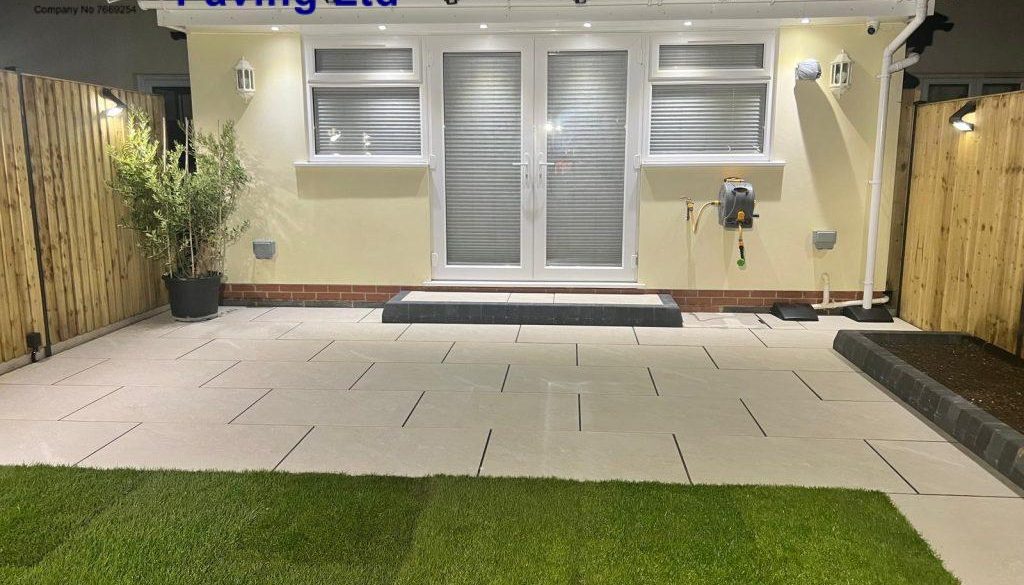
Planning a New Patio for Summer? Why Spring Is the Right Time to Start
A patio is often treated as a finishing touch. In reality, it is a structural feature that depends on what sits beneath it.
The mistake many homeowners make is starting too late. By the time summer arrives, demand is high, schedules are full, and decisions are rushed. That is when corners get cut, whether in design, materials, or groundwork.
Spring offers something different. It gives you time to think clearly, plan properly, and build something that will last beyond one season.
A well-built patio should feel like an extension of your home, not an afterthought added when the weather improves.
Spring Gives You Time to Plan Without Pressure
Good patio projects are rarely quick decisions.
You need time to consider how the space will be used, how it connects to your home, and what materials suit your lifestyle. These choices are harder to make when you are trying to get everything finished before a specific date.
Starting in spring allows you to:
- Compare materials without rushing
- Adjust layouts based on your garden’s shape
- Plan features like seating, steps, or borders properly
It also gives you room to change your mind early, before work begins.
Planning early also gives homeowners the opportunity to explore patios in Enfield that are designed with proper groundwork, layout, and long-term durability in mind.
Many homeowners realise halfway through a project that they want something different. In spring, those changes are manageable. In summer, they can delay the entire build.
Better Ground Conditions Lead to Better Results
Patio installation depends heavily on ground preparation. This is where timing makes a real difference.
After winter, the ground begins to stabilise. It is easier to excavate, level, and compact properly. By contrast, late summer builds often deal with dry, compacted ground that can be harder to work with evenly.
More importantly, spring allows installers to:
- Identify drainage issues early
- Correct uneven ground before laying begins
- Build a stronger sub-base without rushing
A patio is only as strong as its foundation. If the base is inconsistent, the surface will reflect that over time.
This is why experienced contractors focus heavily on groundwork. The visible finish matters, but the hidden layers determine how long the patio holds its shape.
Good Read: How Frost Affects Block Paving and What You Can Do About It
You Avoid the Summer Rush and Limited Availability
By the time the weather improves, most homeowners start thinking about outdoor upgrades. That creates a surge in demand.
Waiting until late spring or early summer often means:
- Longer lead times
- Fewer available dates
- Less flexibility in design changes
Booking earlier gives you control over timing. It also allows contractors to allocate enough time to your project rather than fitting it between others.
Working with a team like Driveline Paving Ltd during spring ensures your project is planned and scheduled properly, rather than rushed to meet peak-season demand.
More Thoughtful Design Leads to Better Use of Space
A patio should match how you actually use your outdoor space, not just how it looks in photos.
Spring gives you the chance to observe your garden more carefully. You can see where sunlight falls, how water moves, and which areas feel more practical for seating or access.
Instead of defaulting to a simple rectangle, you can consider:
- Multi-level layouts for sloped gardens
- Defined zones for dining and relaxation
- Pathways that connect different areas
Designing with intention often leads to a space that feels natural rather than forced.
A patio that fits your routine will always feel more valuable than one that simply fills a space.
Material Choices Are Easier When You Have Time
Choosing patio materials is not just about appearance. It affects maintenance, durability, and how the space feels throughout the year.
Spring planning allows you to compare options properly.
Common choices include:
Porcelain Paving
- Clean, modern appearance
- Low maintenance
- Resistant to staining and moisture
Natural Stone (Sandstone or Limestone)
- More variation in colour and texture
- Traditional look
- Requires sealing and occasional upkeep
Concrete Slabs
- Cost-effective
- Practical for larger areas
- More limited in design flexibility
Each material behaves differently over time. Without proper planning, it is easy to choose based on looks alone and regret it later.
Taking time in spring allows you to match the material to how the space will actually be used.
Drainage Can Be Built In
One of the most common issues with patios is poor drainage.
Water should move away from your home and across the surface in a controlled way. When this is not planned properly, you end up with pooling, staining, or even structural issues over time.
Spring is the ideal time to address this because:
- Ground conditions reveal natural water flow
- Drainage systems can be integrated into the design
- Slopes and levels can be adjusted before installation
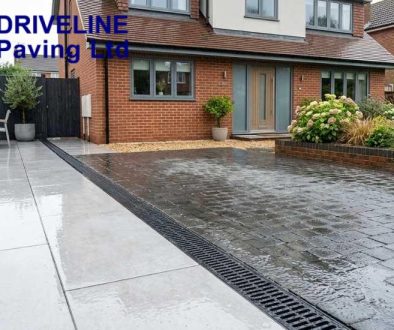
Features such as channel drainage or permeable joints can be built into the project from the start.
Fixing drainage after installation is far more disruptive and expensive.
Installation Quality Improves When Work Is Not Rushed
Rushed projects tend to show problems later.
When timelines are tight, the first thing to suffer is usually the groundwork. Layers may not be compacted properly, and curing times may be shortened to keep things moving.
Spring scheduling allows for:
- Proper excavation depth
- Careful layering of sub-base materials
- Adequate time for each stage of the build
These details are not always visible immediately. But they determine whether the patio remains level and stable over time.
A well-installed patio should not need constant adjustment. It should settle once and stay consistent.
You Get More Value From Your Patio Over Summer
Finishing your patio before summer means you actually get to use it when it matters.
Instead of waiting for work to be completed during the warmest months, you can:
- Host gatherings without disruption
- Use the space daily without restrictions
- Avoid ongoing construction during peak use
There is also a practical benefit. Early completion reduces the risk of delays caused by weather or scheduling conflicts.
The result is a space that is ready when you need it, rather than halfway finished when summer is already underway.
What Happens When You Leave It Too Late
Delaying a patio project often leads to compromises.
You may end up:
- Accepting limited design options
- Choosing materials based on availability rather than preference
- Rushing decisions to meet a deadline
There is also the risk of incomplete work extending into summer, which can disrupt how you use your garden.
Think Beyond This Summer
A patio should last for years, not just one season. While summer may be the reason you are starting the project, the decisions you make now will affect how the space performs long-term.
That includes:
- How well it drains
- How stable it remains
- How easily it can be maintained
Start Early, Build It Properly
Spring is not just a convenient time to start a patio project. It is the point where you can plan it properly.
You have time to think through design, choose the right materials, and ensure the groundwork is done correctly. You also avoid the pressure and limitations that come with peak-season demand.
A patio should feel like a natural part of your home, built to last and ready when you need it.
If you are planning a new patio for summer, speak to Driveline Paving Ltd early to secure your slot and get clear guidance on the right design and build approach for your space.