Skip to content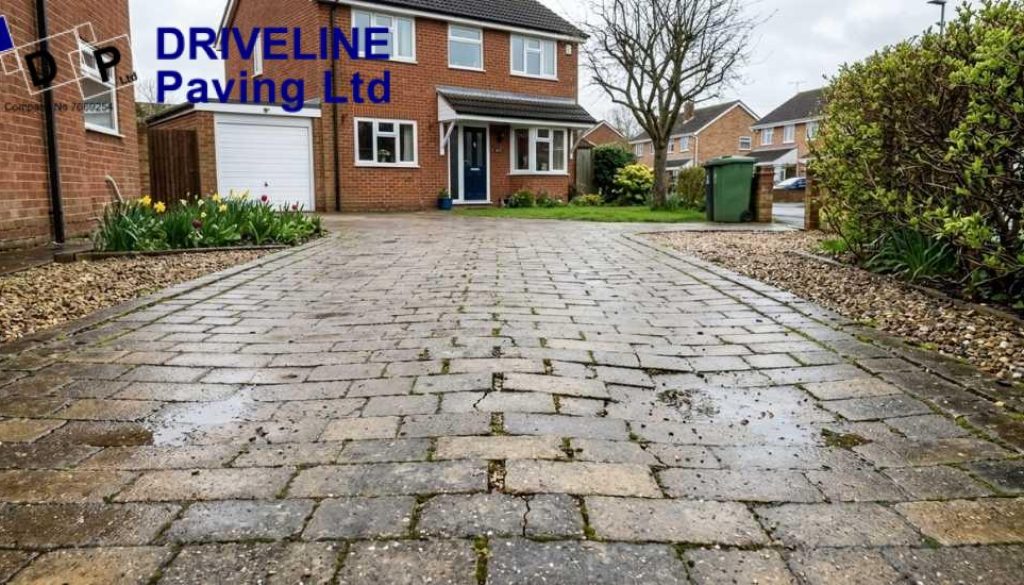
Why March Is the Best Time to Repair Winter Driveway Damage
Winter damage on driveways rarely announces itself clearly. What looks like a small crack or slight dip in your driveway is often the surface sign of deeper movement underneath. By the time warmer weather arrives, that minor issue can spread across a much larger area.
March is the point where everything becomes visible but still manageable. The ground has stabilised enough for proper repairs, yet the damage has not fully escalated. Acting during this window gives homeowners the best chance to fix problems early, control costs, and avoid disruption later in the year.
What Winter Actually Does to Your Driveway
Cold weather affects driveways in layers. The surface is only part of the story.
Water seeps into joints, small gaps, and even microscopic cracks. When temperatures drop, that water freezes and expands. This expansion forces materials apart, creating pressure that weakens both the surface and the sub-base.
When temperatures rise again, the ice melts, leaving behind slightly larger gaps. The process repeats over weeks. Each cycle pushes the structure further out of alignment.
This is why damage often appears suddenly in late winter. It has been building quietly beneath the surface.
Common post-winter issues include:
- Cracked or separated block paving
- Loose or uneven sections
- Sinking areas caused by weakened sub-base
- Jointing sand washed out by heavy rain
- Water pooling due to subtle shifts in level
What looks like cosmetic damage is often structural. Addressing it early prevents it from spreading.
Why March Is the Ideal Repair Window
During winter, frozen ground makes it difficult to properly assess or fix underlying issues. In late spring and summer, demand for paving work increases sharply, leading to longer wait times and rushed scheduling.
March sits between these extremes.
The ground has thawed enough to allow proper inspection and repair, but conditions are still mild enough to prevent further freeze-thaw damage. This makes it easier to stabilise the base and restore the surface correctly.
There is also a practical advantage. Contractors have greater availability before peak season begins. This means:
- Faster booking times
- More flexibility in scheduling
- Better attention to detail on each project
It is similar to servicing your car before a long journey. You are not reacting to a breakdown. You are preventing one.
Small Repairs Now Prevent Full Replacement Later
One of the most common mistakes homeowners make is delaying minor repairs.
A slightly uneven section or a loose block may not seem urgent. However, these small issues rarely stay contained. Once the structure beneath the surface is compromised, the surrounding area begins to shift as well.
For example:
- A single sunken block can lead to water pooling
- Standing water weakens nearby sections
- Adjacent blocks begin to loosen
- The affected area expands over time
At this stage, what could have been a targeted repair becomes a larger project.
Early repairs are usually straightforward. They may involve:
- Lifting and re-laying affected blocks
- Recompacting the sub-base
- Replacing damaged materials
- Reapplying jointing sand
These are controlled, localised fixes. The difference in cost compared to full replacement is significant.
Ignoring the problem is like leaving a loose tile on a roof. It does not stay a single tile for long.
Drainage Problems Become Clear After Winter
March is also when drainage issues become easier to identify.
During winter, heavy rainfall and freezing conditions place extra stress on drainage systems. If your driveway does not drain properly, water will collect in low areas or along edges.
Signs of poor drainage include:
- Puddles that remain long after rain
- Water flowing towards your property
- Damp patches that never fully dry
- Erosion around joints or edges
Drainage is not just about convenience. It directly affects the lifespan of your driveway.
Water that sits on the surface eventually finds its way underneath. Once it reaches the sub-base, it weakens the foundation and accelerates deterioration.
A proper repair may involve:
- Adjusting levels to improve water flow
- Installing or correcting channel drainage
- Rebuilding sections of the base
For homeowners planning wider improvements, this is also a good time to consider upgrading outdoor areas. Projects such as Epping Patios can be aligned with drainage improvements to create a more functional and cohesive space.
Driveline
Why Waiting Until Summer Can Cost More
It is tempting to delay repairs until the weather is warmer and more predictable. However, waiting often leads to higher costs and more disruption.
By summer, minor issues may have:
- Spread across a larger section of the driveway
- Caused deeper sub-base damage
- Created safety hazards such as uneven surfaces
There is also the issue of availability. Summer is the busiest period for paving work. This can result in:
- Longer wait times
- Limited scheduling options
- Pressure to accept less convenient dates
From a practical standpoint, summer is also when you are more likely to use your outdoor space. Repair work during this time can interfere with daily routines and plans.
March avoids these problems. It gives you time to complete the work before peak usage begins.
Preparing Your Driveway for the Months Ahead
A well-timed repair does more than fix existing issues. It prepares your driveway for increased use.
Spring and summer bring:
- More vehicle movement
- Increased foot traffic
- Outdoor gatherings and activities
A stable, level surface ensures:
- Safer access for vehicles and pedestrians
- Better appearance for your property
- Reduced risk of further damage under load
This is especially important for block paving, where stability depends on the condition of the base and jointing.
Think of March repairs as setting a solid foundation for the rest of the year. Once completed, your driveway can handle seasonal use without additional stress.
Why Professional Assessment Matters
A proper repair starts with understanding what is happening beneath the surface. Many driveway issues look minor but are linked to deeper problems in the base, drainage, or installation method. Without a full assessment, repairs can end up being temporary fixes rather than long-term solutions.
This is where working with an experienced contractor makes a clear difference.
At Driveline Paving, each project begins with a detailed inspection of the affected area. This includes checking levels, identifying weak points in the sub-base, and assessing how water is moving across the surface. Instead of simply replacing what is visible, the focus is on correcting the cause of the issue.
Homeowners benefit from:
- Targeted repairs that address structural problems, not just surface damage
- Proper sub-base preparation to prevent future movement
- Drainage adjustments that reduce water-related wear
- Materials matched to the existing driveway for a consistent finish
This approach avoids repeat issues and extends the lifespan of the driveway. It is the difference between patching a problem and resolving it properly.
If you are already seeing early signs of winter damage, getting a professional assessment now can help you avoid more extensive work later. You can reach Driveline Paving directly to arrange a survey and get clear, practical advice on the next steps.
Final Thoughts
March offers a practical advantage that other months do not. It is the point where damage is visible but still contained, where repairs are effective without being extensive.
Acting early keeps costs under control, prevents minor issues from spreading, and ensures your driveway is ready for the months ahead.
Waiting may seem convenient, but it often leads to larger repairs, higher costs, and unnecessary disruption.
If your driveway shows signs of winter damage, now is the time to deal with it properly. Contact us today for a professional assessment and reliable repair work.