Skip to content
How Frost Affects Block Paving and What You Can Do About It
Block paving is a popular choice across the UK for its appearance, flexibility, and long-term performance. However, winter introduces conditions that can expose weaknesses in even well-laid surfaces. Frost does not usually cause immediate failure, but it accelerates problems that already exist beneath or between the blocks.
Understanding how frost affects block paving helps homeowners take the right preventative steps before winter damage becomes costly. This guide explains what happens during cold weather, which warning signs matter most, and what practical actions can protect block paving through winter.
Why Block Paving Is Vulnerable to Frost
Block paving is made up of individual units laid on a compacted sub-base with jointing sand between each block. This structure allows flexibility, but it also creates multiple points where moisture can enter.
During winter, water seeps into joints and beneath the blocks. When temperatures drop, that moisture freezes and expands. This expansion pushes blocks upward or outward, weakening the surface and disturbing the original alignment. Once the ice thaws, the blocks may not settle back evenly.
Repeated freeze–thaw cycles worsen this movement over time. What starts as minor unevenness can develop into widespread surface instability if left unaddressed.
Jointing Sand Loss and Its Role in Frost Damage
Jointing sand plays a critical role in keeping block paving stable. It locks blocks together and distributes weight evenly across the surface.
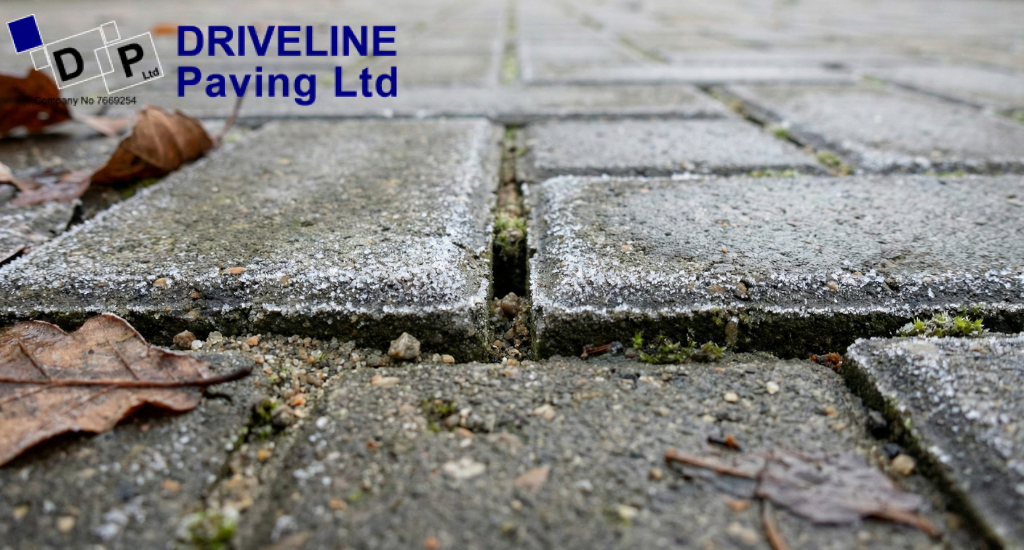
In wet winter conditions, jointing sand can wash out due to heavy rainfall or poor drainage. Once the joints are partially empty, blocks lose lateral support. Frost then has a much greater effect, lifting individual blocks more easily.
Signs of joint failure include:
- Visible gaps between blocks
- Loose or rocking blocks underfoot
- Weed growth indicating retained moisture
- Uneven patterns forming across the surface
Re-sanding joints before prolonged cold weather helps limit block movement and reduces frost-related lifting.
How Poor Drainage Increases Frost Damage
Drainage is one of the most important factors in how block paving performs during winter. Even high-quality paving can suffer if water is allowed to sit on or beneath the surface.
When drainage is poor, water remains trapped in the joints and sub-base. This increases the frequency and severity of freezing beneath the blocks. Over time, this leads to lifting, spreading, and uneven settlement once temperatures rise again.
Common drainage issues include:
- Compacted sub-bases that no longer drain effectively
- Blocked drainage channels or soakaways
- Incorrect surface gradients causing pooling
- Driveways installed without permeable systems
Improving drainage before winter reduces moisture retention and limits the freeze–thaw impact on the paving structure.
Frost Heave and Surface Movement Explained
Frost heave occurs when water beneath the surface freezes and expands upward. In block paving, this causes individual blocks or entire sections to lift.
Unlike concrete, block paving does not crack under this pressure, but the movement disrupts alignment. When the ice melts, blocks may settle unevenly, creating dips and ridges across the driveway.
Frost heave is more likely where:
- The sub-base is shallow or poorly compacted
- Moisture levels remain high
- The driveway is shaded and slow to thaw
- Drainage is insufficient
- Preventing excess moisture is the most effective way to limit frost heave.
Edge Restraints and Kerbs Under Winter Stress
Edge restraints are essential for maintaining the shape and stability of block paving. They prevent blocks from spreading outward under load.
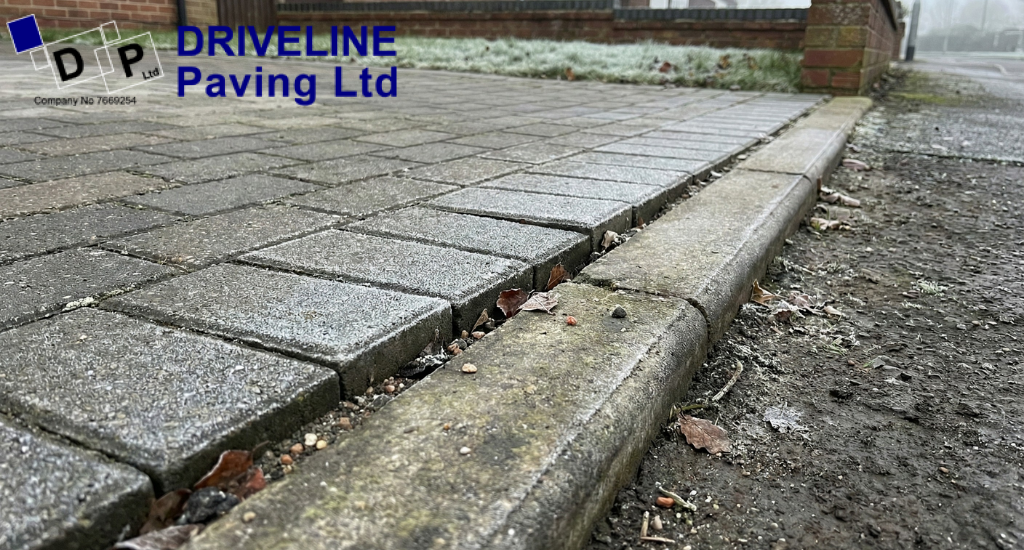
In winter, water can collect around edges and kerbs, especially where soil meets the paving. When this moisture freezes, it places pressure on restraints, causing them to shift or loosen.
Once edge restraints move, blocks begin to spread, accelerating surface failure. Early signs include:
- Gaps forming along driveway edges
- Kerbs that tilt or lift slightly
- Blocks near edges are becoming loose
Checking and reinforcing edge restraints before winter helps preserve the integrity of the entire surface.
Surface Safety and Winter Slip Risks
Block paving can become slippery in winter if surface texture is reduced by wear or biological growth. Moss and algae thrive in damp conditions and reduce grip, especially during frost.
Uneven blocks caused by frost movement further increase trip hazards. These risks are more noticeable in shaded areas or sloped driveways where ice persists longer.
Winter preparation should include:
- Removing moss and algae buildup
- Addressing uneven or lifted blocks
- Improving drainage in shaded sections
- Avoiding harsh de-icing salts that damage joints
Improving surface safety reduces accident risk during cold weather.
Practical Steps to Protect Block Paving Before Winter
Preventative maintenance significantly improves winter performance. Addressing small issues early reduces the likelihood of widespread movement and repair costs later.
Effective pre-winter actions include:
- Re-sanding joints where material has washed out
- Re-levelling loose or uneven blocks
- Clearing drainage channels and outlets
- Checking edge restraints for movement
- Ensuring water flows away from the surface
These steps help stabilise the paving before freeze–thaw cycles intensify.
Why Professional Repairs Last Longer Than DIY Fixes
While minor maintenance tasks are manageable, underlying issues often require professional attention. Problems with sub-base compaction, drainage design, or edge restraint failure are difficult to correct without specialist equipment and experience.
Homeowners who notice frost movement in garden paving areas often choose to upgrade worn surfaces with professionally installed Epping Patios that are built with proper foundations and drainage.
Professional services ensure:
- Proper assessment of moisture and drainage issues
- Correct re-compaction and levelling
- Long-lasting joint stability
- Repairs that withstand repeated winter cycles
Addressing root causes rather than surface symptoms leads to more reliable results.
Protect Your Block Paving Before Frost Takes Hold
Frost does not damage block paving overnight, but it exploits existing weaknesses quickly. Loose joints, poor drainage, and edge movement become far more serious once freezing conditions set in.
If your block paving shows signs of movement or joint loss, Driveline Paving Ltd offers professional assessments and repairs across North London and Essex. Their team can stabilise your driveway before winter conditions worsen, helping you avoid costly repairs in the months ahead. Contact us today.