Skip to content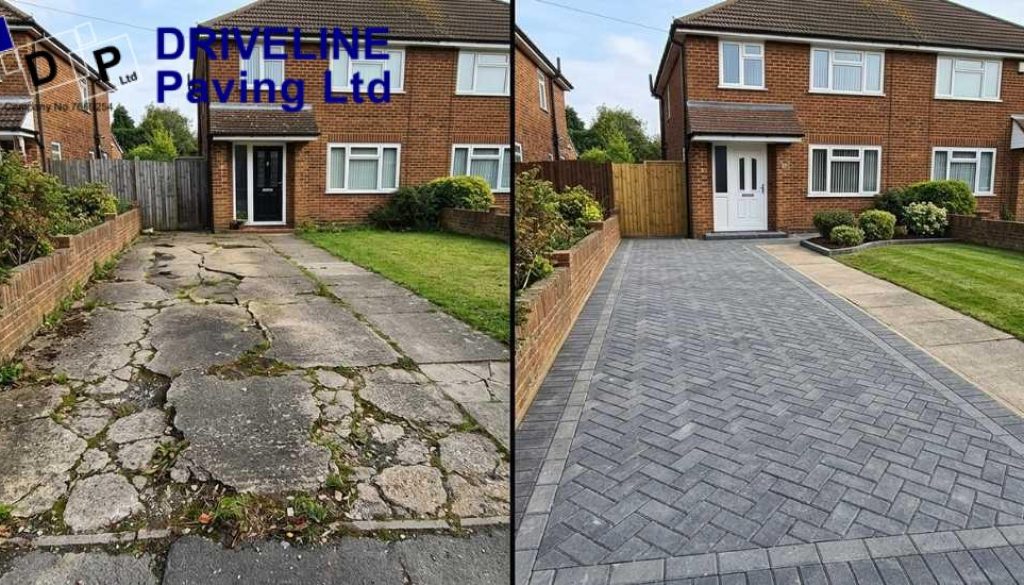
5 Signs Your Driveway Needs Replacement Before Summer
Winter does not usually destroy a driveway in one go. It exposes what was already weak.
Moisture seeps in, freezes, expands, and then thaws again. That repeated cycle puts pressure on the surface and, more importantly, the layers beneath it. By the time spring arrives, the visible damage is often just a symptom of something deeper.
This is why many driveways look “fine” in autumn and then noticeably worse a few months later. The structure has been stressed from below, even if the surface only shows small changes.
If you are planning to use your driveway more through summer, whether for daily parking, visitors, or outdoor use, this is the point to assess it properly. Small issues now tend to accelerate once the surface is under regular load again.
1. Cracks That Don’t Stay Repaired
A single crack is not unusual. What matters is how it behaves after you try to fix it.
If you have already filled cracks and they return in the same place, it usually means the surface is moving. That movement is coming from the base layer rather than the top.
Over time, these cracks tend to:
- Reopen after temperature changes
- Extend further across the driveway
- Connect with other cracks to form larger breaks
This is where surface repairs become misleading. They can make the driveway look better for a short period, but they do not address what is happening underneath.
Once cracking becomes a pattern rather than an isolated issue, replacement is often the more practical solution.
2. Areas That Sink, Shift, or Feel Unstable
A driveway should feel solid when you walk or drive across it. If certain areas feel different underfoot or under tyres, something has changed below the surface.
You might notice a slight dip when parking in the same spot, or a section that looks level from a distance but feels uneven when you step on it.
These changes are usually linked to:
- Poor compaction during installation
- Water weakening the sub-base
- Ground movement over time
In some cases, only one section is affected and can be lifted and corrected. But when multiple areas begin to shift, it points to a broader issue with the foundation.
This is where patch repairs become less effective. Fixing one section does not stop the next area from failing if the base layer is inconsistent.
A properly built driveway distributes weight evenly. When that balance is lost, the surface starts to respond in uneven ways.
3. Water That Sits Where It Shouldn’t
Water is one of the clearest indicators that a driveway is no longer performing as it should.
After rainfall, the surface should drain gradually and predictably. If water lingers, it means the fall is incorrect or the drainage system is no longer doing its job.
You may see:
- Puddles forming in the same spots after every rain
- Water collecting near the entrance to your home
- Damp patches that remain long after the rest has dried
This is more than a surface inconvenience. Standing water works its way into joints, edges, and sub-layers. Over time, it softens the structure and increases the risk of cracking and sinking.
In colder conditions, that trapped water expands as it freezes. This is one of the main reasons driveways deteriorate quickly after winter.
Modern installations often include channel drainage or permeable materials that allow water to pass through safely. If your current driveway lacks this, replacement is an opportunity to correct the flow of water rather than constantly managing it.
Good Read: Why March Is the Best Time to Repair Winter Driveway Damage
4. Movement in the Surface Materials
Different driveway materials fail in different ways, but the pattern is similar. They stop behaving as a single, stable surface.
With block paving, you might notice individual blocks shifting or tilting slightly. With resin or concrete, cracks or lifting may appear in sections rather than across the whole surface.
Gravel driveways can spread beyond their intended area, especially if edging has weakened.
These issues often come down to one of two things:
- The edge restraints are no longer holding the structure in place
- The base layer has lost its strength due to moisture or poor installation
Once movement begins, it tends to spread. A few loose blocks can turn into a larger section that needs attention. What starts as a minor adjustment can quickly become a recurring issue.
A well-installed driveway behaves like a single unit. When it starts to break into separate moving parts, the system itself is no longer stable.
5. The Surface Looks Worn Even After Cleaning or Repairs
There is a point where maintenance stops making a meaningful difference.
Pressure washing, sealing, and small repairs can improve appearance, but they cannot restore materials that have reached the end of their lifespan.
You may find that:
- The colour has faded unevenly
- Stains no longer lift, even with proper cleaning
- Repairs stand out rather than blend in
This often happens with older driveways that were installed using outdated methods or lower-grade materials. Even if the structure is still partially intact, the overall finish can look inconsistent.
At this stage, many homeowners continue to invest in upkeep without seeing lasting results. Replacement becomes less about appearance and more about resetting the entire structure.
When Repair Stops Being the Practical Option
It is easy to assume that repairs are always the cheaper route. In the short term, they usually are.
But repeated repairs can add up quickly, especially when they address symptoms rather than the cause.
If you are:
- Fixing the same cracks more than once
- Dealing with ongoing drainage issues
- Seeing new problems appear after each repair
then the driveway is no longer in a stable condition.
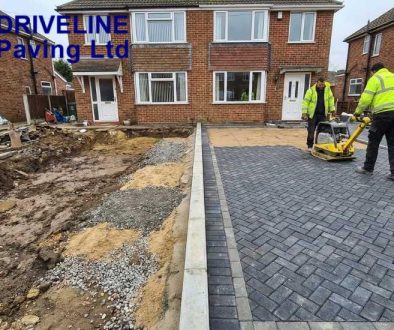
A full replacement allows you to start with proper excavation, a solid sub-base, and a design that handles water correctly from the start.
Working with a contractor like Driveline Paving Ltd means the focus is placed on groundwork as much as the finish. That is what determines whether the new surface lasts five years or twenty.
What Delaying Replacement Can Lead To
Leaving a failing driveway in place rarely keeps costs down. It often increases them.
Water can begin to affect nearby structures. Edges can break down further. Uneven areas can become more pronounced and harder to correct.
There is also the practical side. A damaged driveway can become difficult to use, especially during heavy rain or regular traffic.
From a planning perspective, waiting until summer can limit availability. This is the busiest period for installations, and delays are more common.
Starting the process earlier gives you more flexibility in timing and a better chance of completing the work before peak use.
Choosing a Driveway That Lasts
If replacement is the right step, the next decision is choosing the right material and build approach.
Block paving remains a popular choice for its durability and flexibility. Individual sections can be repaired if needed, and it offers a wide range of finishes.
Resin-bound surfaces are often chosen for their clean appearance and permeability, helping to manage water more effectively.
Tarmac is still a practical option for larger driveways where cost and speed of installation are key factors.
The material matters, but the installation matters more. Without proper groundwork, even the best materials will fail earlier than expected.
Plan the Upgrade Before Summer Pressure Builds
A driveway rarely reaches failure without warning. The signs tend to appear gradually, then accelerate.
Cracks that return, areas that shift, water that does not drain, and surfaces that no longer respond to maintenance all point to the same conclusion.
Addressing these early allows you to plan properly, rather than reacting when the problem becomes urgent.
If your driveway is showing more than one of these signs, it is worth getting it assessed now while there is still time to prepare for summer use.
If you are considering a replacement, speak to Driveline Paving Ltd to arrange a site visit and get clear, practical advice on the right approach for your property.