Skip to content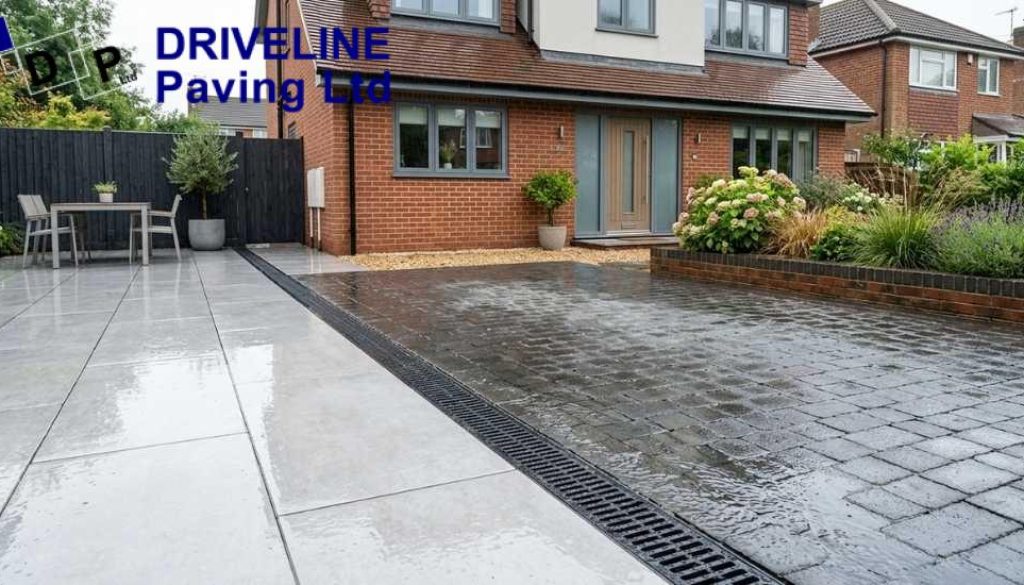
How Proper Drainage Protects Your Driveway and Patio
When people think about a new driveway or patio, they usually focus on the surface. The colour, the pattern, the finish. What they do not see is how water moves across that surface.
Drainage is not an add-on. It is what allows the entire structure to function properly. Without it, even high-quality materials begin to fail earlier than expected.
Water does not need much time to cause damage. It works gradually, moving into joints, softening the base, and creating pressure when temperatures change.
A well-installed surface controls where water goes. A poorly planned one allows water to decide for itself.
What Happens When Water Has Nowhere to Go
Water rarely stays on the surface for long. It finds its way into gaps, edges, and beneath the top layer.
Once it gets there, the effects are not always immediate. They build over time.
You may start to notice:
- Small cracks appearing in isolated areas
- Slight movement underfoot or under tyres
- Dark patches that stay damp longer than the rest
These are early signs. As the problem develops, it becomes more visible.
The base layer begins to weaken. Sections of the surface lose support. In colder conditions, trapped water freezes and expands, pushing materials apart.
It is a slow process, but a consistent one. Left unchecked, it leads to structural failure rather than surface wear.
Drainage Starts With the Slope, Not the Surface
One of the most important aspects of drainage is something most people never notice: the fall of the surface.
A driveway or patio should be laid at a slight angle to guide water away from your home and towards a suitable outlet.
This is not something that can be adjusted after installation without significant work.
A proper fall ensures that:
- Water moves consistently in one direction
- No areas are left where water can collect
- Pressure on joints and edges is reduced
If the slope is incorrect, even the best materials and drainage systems will struggle to compensate.
This is why groundwork is critical. The shape of the base determines how the finished surface behaves.
The Role of a Strong Sub-Base
Drainage does not stop at the surface. It continues through the layers beneath it.
A well-prepared sub-base allows water to move through and disperse safely. Without this, water becomes trapped between layers, weakening the structure over time.
Key elements of a proper sub-base include:
- Adequate excavation depth
- Compacted aggregate layers
- Consistent grading to support water flow
When these steps are skipped or rushed, the surface may look fine initially but begin to fail within a few seasons.
A stable base acts like a support system. It carries weight evenly while allowing moisture to pass through without disruption.
Channel Drainage: Controlling Surface Water
In many installations, especially near entrances or areas close to the home, channel drainage plays a key role.
These are narrow drainage systems placed along edges to collect and redirect water efficiently.
They are particularly useful for:
- Driveways that slope towards the property
- Patios installed close to walls or doors
- Areas where water flow needs to be controlled precisely
Channel drainage works best when integrated into the design from the start. Retrofitting it later often requires removing sections of the surface.
When installed correctly, it prevents water from pooling in critical areas and reduces the risk of long-term damage.
Permeable Surfaces and Modern Drainage Solutions
Some materials are designed to allow water to pass through rather than run off the surface.
Resin-bound driveways and certain paving systems fall into this category. They help reduce surface water by allowing it to drain naturally into the ground below.
Benefits of permeable options include:
- Reduced surface runoff
- Lower risk of standing water
- Improved compliance with drainage regulations
However, permeability alone is not enough. The layers beneath must still be prepared correctly to handle the water flow.
Without proper groundwork, even permeable systems can fail.
How Poor Drainage Leads to Common Driveway and Patio Problems
Many of the issues homeowners face can be traced back to drainage.
Cracking
Water weakens the base and creates pressure during freeze-thaw cycles. This leads to cracks that continue to expand.
Sinking and Uneven Areas
When water softens the ground beneath, sections lose support and begin to drop.
Loose Materials
Jointing sand can wash away, and paving units can shift when the structure beneath is unstable.
Staining and Algae Growth
Standing water encourages organic growth, which affects both appearance and safety. These problems often appear separately, but they are connected by the same underlying cause.
Why Fixing Surface Issues Is Not Enough
It is tempting to treat visible damage as an isolated issue. Filling cracks, replacing a few blocks, or cleaning the surface can improve how it looks. But if drainage is the root problem, those fixes will not last.
This is why some driveways seem to need constant maintenance. The underlying issue remains active.
Addressing drainage requires looking at the structure as a whole, not just the surface layer.
Working with a contractor like Driveline Paving Ltd ensures that drainage is built into the project from the start, rather than treated as an afterthought.
Planning Drainage for a New Installation
If you are installing a new driveway or patio, drainage should be part of the initial design.
This includes:
- Setting the correct fall direction
- Choosing suitable materials
- Incorporating drainage systems where needed
It also involves understanding how water behaves on your specific property.
Every site is different. Soil type, elevation, and surrounding structures all affect how water moves. A proper assessment helps prevent problems before they begin.
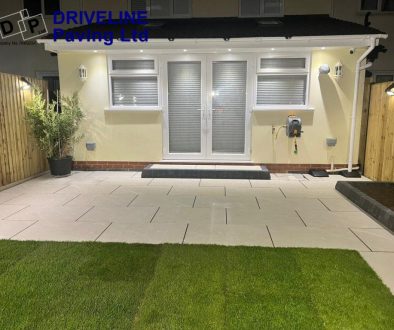
Proper drainage is essential for preventing standing water and surface damage, which is why many homeowners upgrade with patios in Enfield designed to include effective water runoff and long-term structural support.
What to Do if Your Current Surface Has Drainage Issues
If you are already experiencing drainage problems, the first step is identifying the cause.
In some cases, minor adjustments can help. This might include improving surface grading or adding localised drainage.
However, if the issue is widespread, a more comprehensive solution may be needed.
This can involve:
- Rebuilding sections with proper slope
- Installing drainage systems
- Replacing the surface entirely if the base has failed
The right approach depends on the condition of the existing structure.
Long-Term Protection From Getting It Right the First Time
Drainage is not something you should have to revisit repeatedly. When it is done properly, it works quietly in the background, protecting the surface from damage.
A well-drained driveway or patio:
- Stays level for longer
- Requires less maintenance
- Handles weather changes more effectively
It also gives you confidence that the structure will hold up under regular use.
Cutting corners during installation often leads to ongoing issues. Taking the time to do it properly from the start usually saves both time and money in the long run.
Water Control Is What Protects Your Investment
A driveway or patio is exposed to the elements every day. Water is the one factor that consistently tests its durability.
Without proper drainage, even well-built surfaces begin to show signs of failure. With it, they remain stable, functional, and easier to maintain.
If you are planning a new installation or dealing with ongoing issues, drainage should be one of the first things you consider.
For expert advice and properly built drainage solutions, contact Driveline Paving Ltd to arrange a site assessment and protect your driveway or patio for the long term.