Skip to content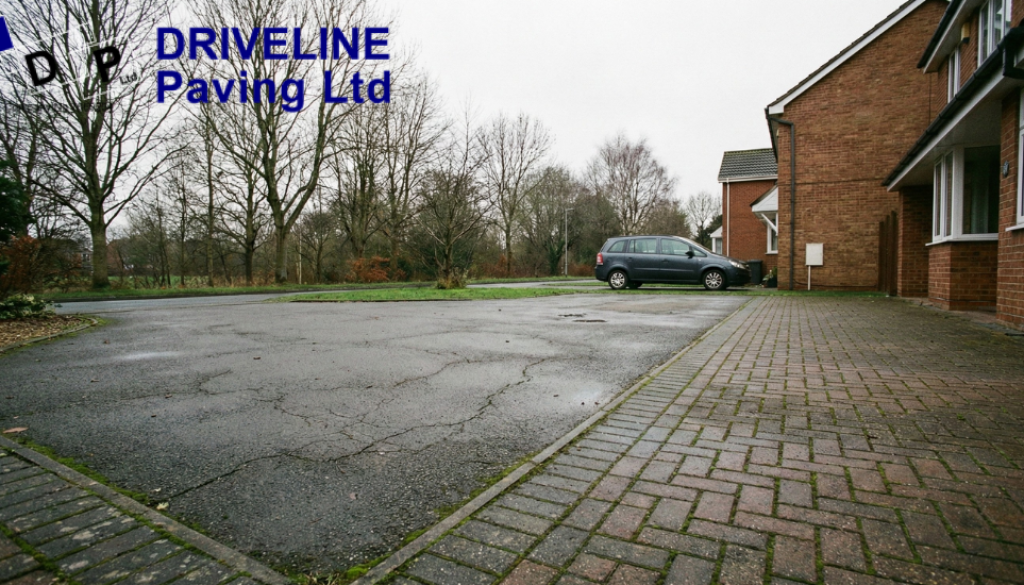
Winter Driveway Damage: What UK Homeowners Should Fix Before January
Winter is when driveway problems stop being cosmetic and start becoming costly. Lower temperatures, heavier rainfall, and repeated freeze–thaw cycles place pressure on surfaces that may have coped well through summer and autumn. What looks like minor wear in November can turn into structural damage by January.
For UK homeowners, preparing a driveway for winter is less about appearance and more about prevention. Fixing the right issues before deep winter arrives helps protect the surface, the sub-base, and surrounding drainage, whilst reducing safety risks during icy conditions.
Why Winter Accelerates Driveway Damage
Driveways are exposed surfaces, and winter creates conditions that intensify existing weaknesses. The primary cause is moisture. Water enters cracks, joints, and porous materials, then expands as it freezes. This expansion forces materials apart, gradually weakening the surface and the layers beneath it.
Repeated freeze–thaw cycles worsen this process. Even brief cold spells followed by milder days can cause movement, particularly where drainage is poor. Over time, this leads to cracking, sinking areas, and uneven surfaces that are far more expensive to repair once winter has fully set in.
Cracks and Surface Gaps That Should Be Fixed Early
Small cracks are often overlooked because they seem insignificant. In winter, they are one of the most common starting points for serious driveway damage.
In block paving, jointing sand washes out, allowing blocks to shift. In tarmac and concrete, hairline cracks widen as water freezes below the surface. Once moisture reaches the sub-base, the risk of movement increases significantly.
Homeowners should check for:
- Fine surface cracks that appear after rainfall
- Gaps between paving blocks
- Crumbling edges or surface flaking
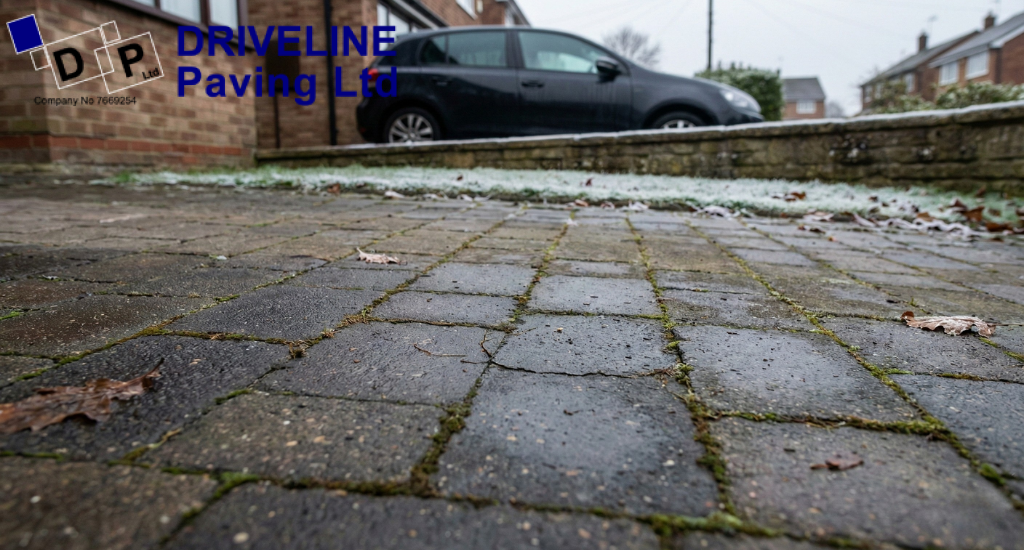
- Moss or weed growth indicating retained moisture
Sealing or repairing these areas before January limits water ingress and reduces the chance of frost-related expansion.
Drainage Problems That Become Serious in Winter
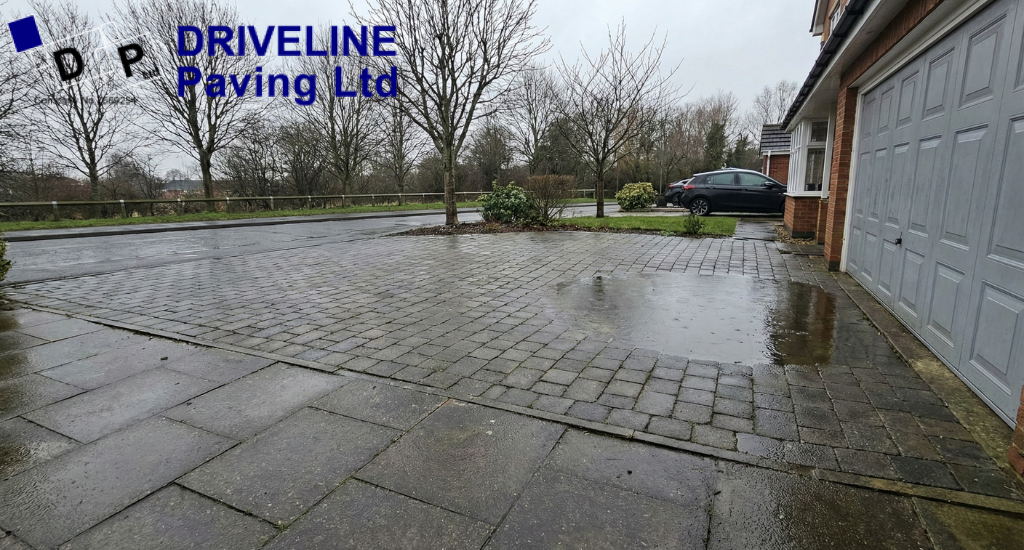
Drainage issues often remain unnoticed until winter exposes them. Slower evaporation, heavier rainfall, and colder ground mean water stays on the surface longer, increasing the risk of freezing.
Standing water indicates problems such as blocked channels, poor gradients, or compacted ground beneath the driveway. When water cannot drain away, it repeatedly freezes and expands, forcing materials apart and weakening the structure below.
Drainage warning signs include:
- Puddles that remain hours after rainfall
- Water flowing towards the property
- Blocked or overflowing drainage channels
- Areas that stay darker or wetter than surrounding surfaces
Correcting drainage before January helps protect both the driveway and nearby foundations from long-term moisture damage.
Uneven or Sinking Areas That Worsen With Frost
Uneven driveways are more than a visual issue. They signal movement beneath the surface that winter conditions will accelerate.
Sinking sections often result from poor compaction, water erosion, or weakened sub-bases. These low spots collect water, freeze more frequently, and deteriorate faster than surrounding areas. Over time, this leads to wider surface failure and increased safety risks.
Uneven areas are particularly hazardous in winter, increasing the likelihood of slips, trips, and vehicle instability when frost or ice forms.
Block Paving Joints and Edge Movement
Block paving can perform well through winter when properly maintained, but joint failure is a common issue during colder months.
When jointing sand erodes, blocks lose lateral support. Frost then lifts and shifts individual units, causing uneven patterns and weakened edges. Kerbs and restraints may also move if their foundations are affected by water ingress.
Before January, homeowners should look for:
- Loose or rocking blocks
- Visible gaps between joints
- Edges that no longer sit flush
- Sand loss after heavy rain
Addressing these issues early helps maintain surface stability throughout winter.
Reduced Grip and Surface Safety in Cold Weather
Winter increases slip risks, particularly on worn or contaminated driveway surfaces. Algae, moss, and surface polishing reduce traction, making driveways unsafe during rain, frost, or light snow.
This is especially important for sloped driveways or entrances used frequently on foot. Improving grip before winter helps reduce accidents and improves everyday usability during colder months.
Professional cleaning and surface treatments can significantly improve safety without full replacement.
Why Waiting Until Spring Often Costs More
Delaying repairs until spring allows winter damage to compound. Water that enters cracks in early winter continues to expand and weaken the structure for months.
By spring, what could have been a targeted repair may require resurfacing or base reconstruction. Early repairs are usually smaller, more controlled, and far more cost-effective.
Fixing issues before January helps homeowners:
- Avoid emergency repairs
- Reduce long-term costs
- Maintain safer access during winter
- Protect surrounding drainage and foundations
When Professional Assessment Is Worthwhile
Some winter-related issues develop below the surface and are not immediately visible. A professional assessment identifies structural weaknesses, drainage failures, and frost-vulnerable areas before they worsen.
This ensures repairs address root causes rather than surface symptoms, delivering results that last beyond a single winter season.
Protect Your Driveway Before Winter Takes Hold
Winter driveway damage develops gradually, but the consequences can be significant if left untreated. Addressing cracks, drainage problems, and surface movement before January helps protect your driveway, improve safety, and avoid higher repair costs later.
If your driveway shows signs of wear or water retention, Driveline Paving Ltd provides professional assessments and winter-ready repairs across North London and Essex. Contact their team today to secure the fixes that matter before winter conditions intensify.