Skip to content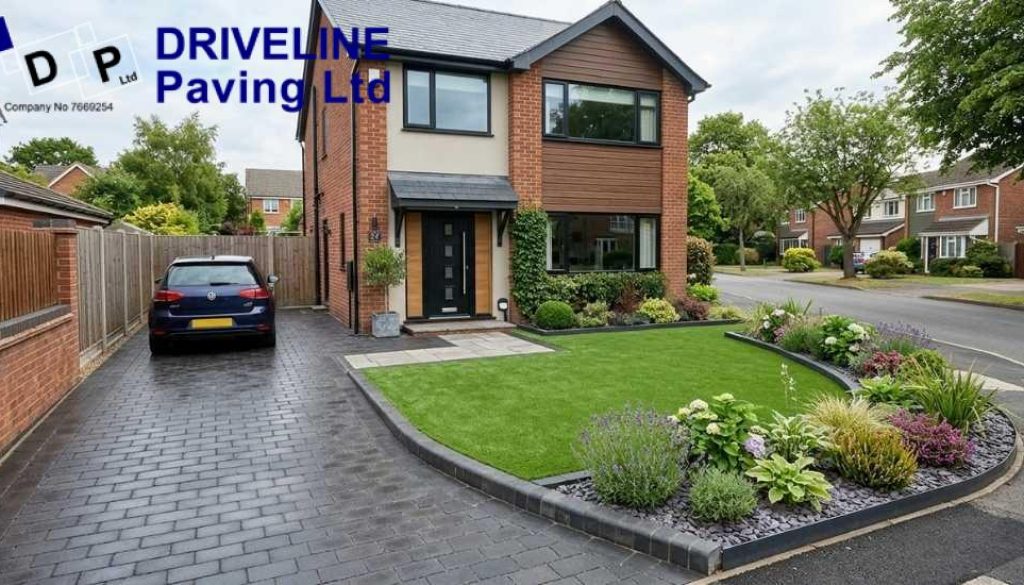
Artificial Grass for Front Gardens: Homeowners’ Low-Maintenance Option
Front gardens used to follow a familiar pattern. A patch of lawn, a short path, maybe a few plants along the edges.
That setup works if you have the time to maintain it. Regular mowing, watering, feeding, and seasonal repair all add up. When those tasks are skipped, even briefly, the space starts to look uneven and worn.
This is why more homeowners are changing their approach in landscaping. Instead of trying to keep natural grass in good condition year-round, they are choosing a surface that stays consistent with minimal effort.
Artificial grass has moved beyond its early versions. It now offers a more natural look while removing much of the ongoing upkeep that traditional lawns require.
What Makes Artificial Grass a Practical Choice
The main appeal is straightforward. It reduces maintenance without sacrificing appearance.
Once installed properly, artificial grass holds its colour, shape, and structure throughout the year. It does not depend on weather conditions in the same way natural turf does.
For front gardens, where first impressions matter, this consistency makes a noticeable difference.
You do not have to plan around mowing schedules or worry about patches appearing after heavy use or poor weather. Instead, the surface remains stable, clean, and ready at all times.
Maintenance Becomes Occasional, Not Routine
Natural grass requires regular attention to stay presentable. Artificial grass changes that completely.
There is still some upkeep, but it is minimal and occasional rather than ongoing.
Typical maintenance includes:
- Brushing the surface to keep fibres upright
- Removing leaves or debris
- Rinsing the area if needed
There is no mowing, no feeding, and no need to repair worn patches.
For busy households, this shift is often the deciding factor. It turns the front garden from something that needs constant attention into something that simply stays in place.
A Consistent Look Through Every Season
One of the biggest challenges with natural lawns is how much they change throughout the year. They can dry out in warmer months, become patchy after heavy rain, or struggle to recover after winter.
Artificial grass removes that variability. The surface stays green regardless of the season. It does not fade unevenly or develop bare areas in high-traffic spots.
This consistency is particularly useful for front gardens, where the space is always visible. It ensures the property maintains a clean and tidy appearance without constant intervention.
Making Better Use of Smaller Spaces
Front gardens are often more limited in size than back gardens. Every part of the space needs to work efficiently.
Artificial grass can help create a more defined and usable layout.
It pairs well with:
- Paved pathways
- Driveway edges
- Decorative borders
Because it does not grow or spread, it stays within its intended area. This makes it easier to combine with other features without worrying about overlap or maintenance conflicts.
A well-planned layout can make even a small front garden feel structured and balanced.
Installation Quality Matters More Than the Material
Artificial grass performs well when it is installed correctly. Without proper groundwork, even high-quality materials can develop issues.
The process typically involves:
- Removing existing turf or surface layers
- Installing a compacted sub-base
- Adding a weed membrane
- Laying and securing the artificial grass
Each step affects how the surface behaves over time.
Poor installation can lead to uneven areas, movement, or drainage problems. A properly prepared base ensures the grass stays level and secure.
Working with an experienced installer such as Driveline Paving Ltd helps ensure that the focus is on structure as well as appearance.
Drainage Still Needs to Be Considered
Although artificial grass allows water to pass through, drainage still plays a key role.
The base beneath the surface needs to support water movement. Without this, water can collect or move incorrectly across the area.
Proper installation ensures that:
- Water drains through the surface efficiently
- The base layer supports consistent flow
- There is no pooling or softening of the ground
This is particularly important in front gardens, where water flow can affect nearby driveways or pathways. Ignoring drainage at this stage can lead to issues that are more difficult to correct later.
Durability for Everyday Use
Front gardens often see regular foot traffic. Visitors, deliveries, and daily use all contribute to wear.
Artificial grass is designed to handle this type of use without developing the same wear patterns as natural turf.
It maintains its structure under pressure and recovers quickly after use.
This makes it suitable for:
- Walkways and access areas
- Edges around driveways
- Spaces that are used frequently but not intensively
The result is a surface that stays consistent even with regular use. Artificial grass works best when paired with defined edges and seating areas, which is why many homeowners combine it with patios in Enfield to create a more functional garden layout.
Is Artificial Grass Always the Right Choice?
While artificial grass offers clear benefits, it is not the right solution for every property.
Some homeowners prefer the natural variation and feel of real grass. Others may have larger spaces where traditional lawns are more practical.
Artificial grass works best when:
- Maintenance time is limited
- A consistent appearance is a priority
- The space is relatively small or structured
It is less about replacing every lawn and more about choosing the right surface for the specific space.
Combining Artificial Grass With Other Features
Artificial grass rarely needs to stand alone. It often works best as part of a wider design. Combining it with other elements can create a more balanced front garden.
Examples include:
- Block paving for driveways or paths
- Decorative stone borders
- Raised planters or edging features
This approach adds contrast and structure without increasing maintenance significantly. It also allows the garden to feel more intentional, rather than simply covered.
Long-Term Value Beyond Appearance
Artificial grass is often chosen for its appearance, but its long-term value goes further.
It reduces ongoing maintenance costs, removes the need for equipment, and keeps the space usable throughout the year.
Over time, this consistency becomes more important than the initial visual impact.
A front garden that stays clean and presentable with minimal effort can make a noticeable difference to how the property feels day to day.
Good Read: Transform Your Home’s Entrance with Modern Kerb Appeal
A Practical Upgrade for a Consistent Front Garden
Artificial grass offers a straightforward solution for homeowners who want a front garden that looks good without constant upkeep.
It removes many of the challenges associated with natural lawns while maintaining a clean and consistent finish.
When installed correctly, it provides a stable surface that works well alongside driveways, pathways, and other features.
For busy households, this can turn a high-maintenance space into one that simply stays in place.
If you are considering artificial grass for your front garden, speak to Driveline Paving Ltd to explore the right layout and installation approach for your property.