Resin vs Block Paving: Which Driveway Handles Winter Best?
Winter can be tough on driveways. Frost, heavy rain, and freeze-thaw cycles expose weaknesses in older surfaces and highlight the difference between well-built and poorly installed driveways.
For homeowners choosing between resin and block paving, winter performance is often the deciding factor. Both materials are popular, both look appealing, and both offer long-lasting results when installed correctly. Yet they behave very differently once temperatures drop.
Below is a clear comparison to help you decide which option suits your home and your winter weather concerns.
How Winter Conditions Affect Driveways
Before comparing materials, it helps to understand what winter actually does to driveway surfaces. Cold weather triggers a mix of stress factors that influence durability and safety.
Key winter stress points:
- Freeze-thaw movement causes expansion and contraction that can loosen weak surfaces.
- Standing water freezes and creates pressure beneath the surface.
- Heavy rainfall tests the drainage ability of the driveway.
- Ice build-up increases slip hazards and highlights poor water flow.
Materials that handle water efficiently and resist movement tend to last longer during colder months.
Winter Strengths of Resin Driveways
Resin-bound driveways are known for permeability and a smooth, even finish. Their performance in winter shows why many homeowners choose them for long-term stability.
Permeable surface reduces ice formation
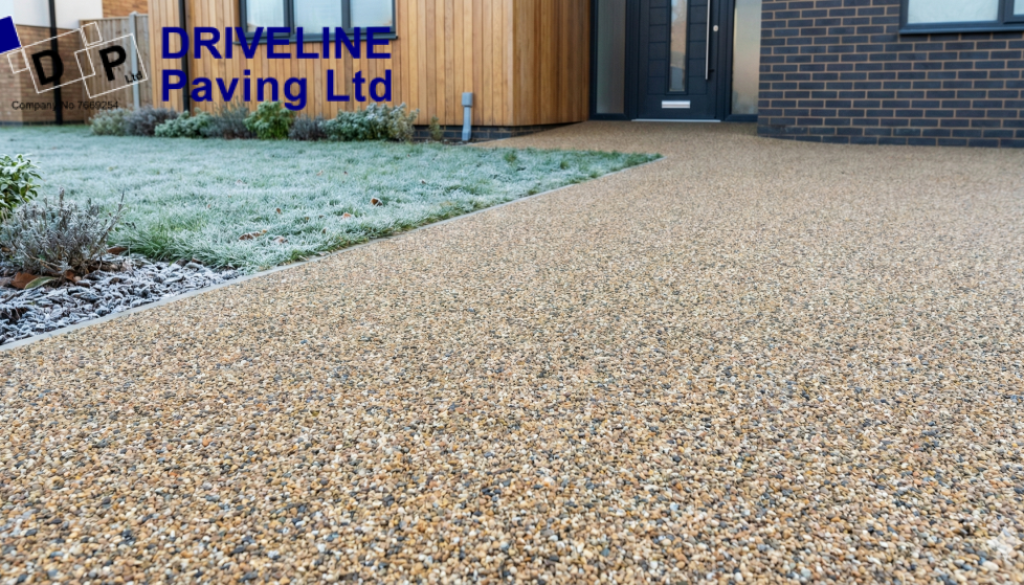
The biggest advantage of resin is its permeability. Water drains through the surface instead of settling on top. When there is less standing water, there is less chance of ice patches forming overnight.
Flexible structure handles movement well
Resin-bound systems have slight natural flexibility. This helps them cope with freeze-thaw cycles without cracking. Unlike solid concrete or brittle surfaces, resin adapts to subtle ground shifts.
Smooth finish is easy to maintain
Winter debris, salt, and sludge can be cleared easily because resin has no deep gaps or uneven joints. It stays cleaner and dries faster after rain.
Ideal for SuDS-friendly winter drainage
Permeability supports flood-resistant designs, making resin a strong choice for areas with persistent winter rainfall.
Winter drawbacks to note:
- Resin cannot be installed in very cold temperatures; autumn installation is more reliable.
- Poor-quality resin mixes can weaken faster in winter, so professional installation is essential.
Overall, resin-bound surfaces handle winter extremely well, especially in homes that struggle with pooling water.
Good Read: Why Autumn Is the Smartest Season to Install a Driveway
Winter Strengths of Block Paving
Block paving remains a top choice for homeowners who want design flexibility and practical durability. When maintained correctly, it performs impressively through harsh winters.
Strong load-bearing performance
Interlocking blocks distribute pressure evenly, which reduces cracking during freeze-thaw cycles. The paving system naturally supports expansion and contraction.
Easy to repair if winter damage occurs
If a section lifts or shifts, individual blocks can be replaced without redoing the entire driveway. This keeps winter maintenance simple and cost-effective.
Good drainage when permeable options are used
Permeable block paving models allow water to seep into the ground through wider joints and porous bases. This helps prevent puddles and ice sheets.
Winter drawbacks to consider:
- Standard (non-permeable) block paving can hold water between joints, which turns to ice.
- Movement can occur if the sub-base was not compacted properly.
- Sand between joints may wash out in heavy rain, requiring refilling.
With proper care and professional installation, block paving remains a dependable winter performer.
Side-by-Side Winter Comparison
To help you decide, here is a direct winter-focused comparison of each surface.
1. Drainage
- Resin: Excellent natural drainage.
- Block paving: Strong if permeable, average if standard.
2. Frost resistance
- Resin: Flexible surface reduces cracking.
- Block paving: Good resistance; joints allow expansion.
3. Ice build-up
- Resin: Minimal due to reduced standing water.
- Block paving: Ice can form in joints if drainage is poor.
4. Movement during freeze-thaw
- Resin: Low risk.
- Block paving: Low to moderate depending on base quality.
5. Winter maintenance
- Resin: Very low.
- Block paving: Joints may need occasional topping up.
Winner for winter:
Resin offers stronger all-round winter performance, especially for drainage, ice prevention, and minimal maintenance.
Block paving remains a great contender if you prefer patterns or the ability to replace individual blocks later.
When Resin Makes More Sense in Winter
Choose resin if your home experiences:
- Frequent puddles or heavy rainfall.
- Ice patches forming near the entrance.
- Poor soil drainage that leads to winter pooling.
- A preference for low-maintenance surfaces through winter.
Resin works especially well near modern homes where clean lines and smooth finishes complement the property style.
When Block Paving Is the Better Winter Choice
Choose block paving if you want:
- A decorative design like herringbone or basketweave.
- Flexibility to repair sections over time.
- A surface that supports heavy vehicles.
- Permeable drainage without a resin finish.
High-quality block paving performs very well when the correct base preparation is in place.
Cost Considerations for Winter Performance
Driveway budgets often shift based on installation time, material availability, and preparation needs.
Resin costs reflect its drainage benefits
Homeowners often choose resin for long-term stability rather than lowest upfront cost. Its low winter maintenance reduces repair bills over time.
Block paving offers flexible pricing
The wide range of block options allows homeowners to choose premium or mid-range finishes. Repairs, if needed, remain affordable and easy to manage.
Winter performance is more influenced by installation quality than by price, so choosing an experienced contractor makes the biggest difference.
Internal Link Paragraph (Insert Before Conclusion)
If you are comparing resin vs block paving driveway options and live near Chelmsford, explore our Chelmsford driveway services page. It features durable driveway designs that stay reliable through winter and support better drainage.
A Clear Choice for Winter Durability
Winter exposes the strengths and weaknesses of every driveway. Resin stands out for drainage, frost resistance, and reduced ice build-up, giving it a slight edge in cold, wet seasons. Block paving remains a strong alternative for homeowners who want a repair-friendly surface with decorative styling.
Whichever material you choose, proper base preparation and professional installation are the real foundations of winter durability. Driveline Paving Ltd can help you select the right surface for your home and ensure it is ready for winter’s demands.
Call us today for more information.
Frequently Asked Questions
Does resin crack in winter?
Resin-bound driveways rarely crack in winter because the surface has slight flexibility and drains water effectively. Proper installation is key.
Is block paving slippery when icy?
In very cold weather, ice can form on any surface. Permeable block paving reduces this risk by improving drainage.
Which driveway needs less winter maintenance?
Resin requires the least maintenance. Block paving may need joint sand topped up after heavy rain.
Can both materials handle heavy vehicles in winter?
Yes. Both resin and block paving can support large vehicles if the sub-base is built correctly.
Does winter slow down driveway installation?
Very cold temperatures can delay resin installation. Block paving is more flexible, but autumn is still the best time for both materials.
Which surface lasts longer?
Both can last decades with proper installation. Resin offers better winter resistance, while block paving is easier to repair over time.
Is permeable block paving as good as resin for drainage?
It performs well but requires more upkeep. Resin delivers stronger all-round drainage with less maintenance.